
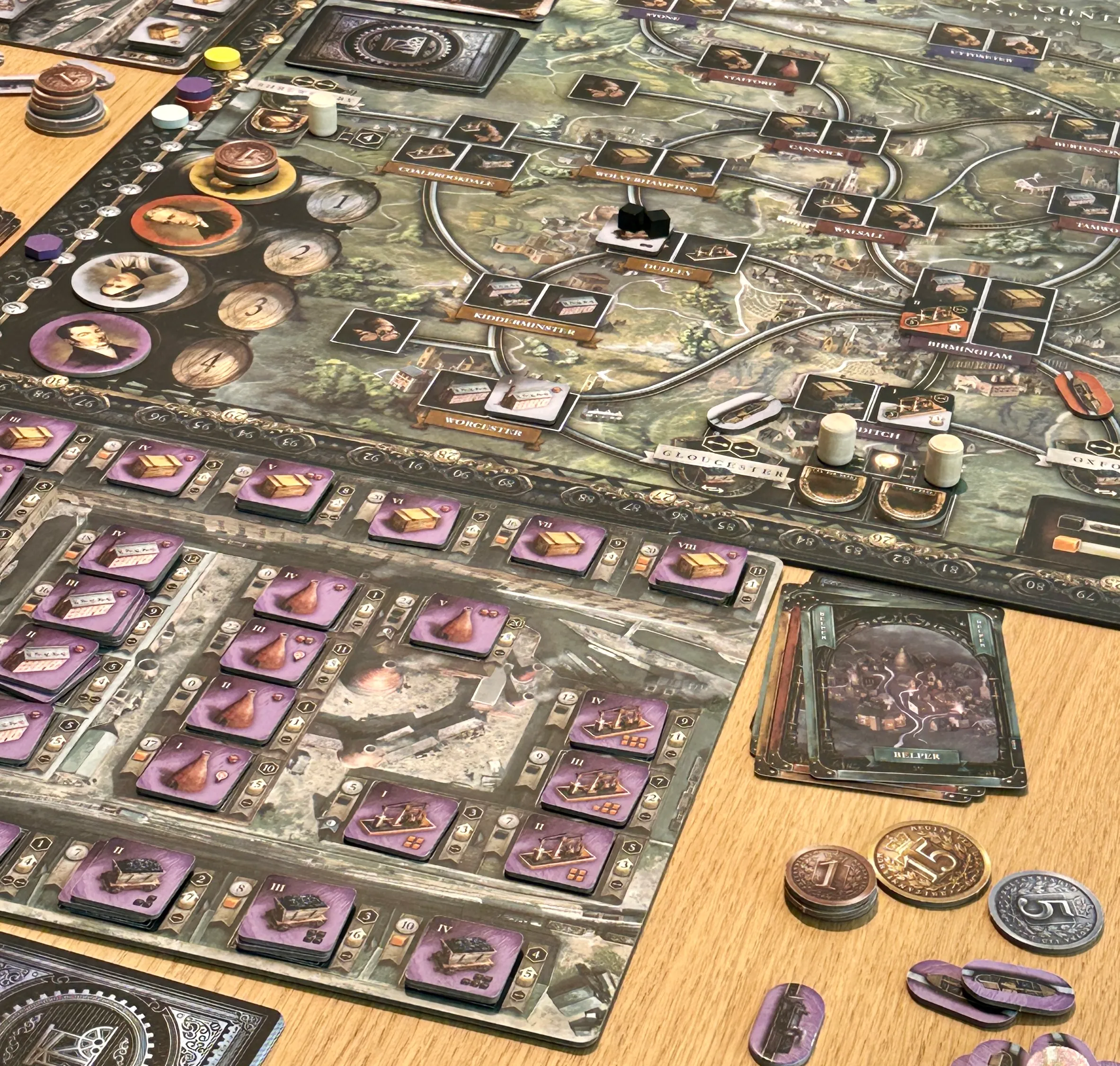
We spend so much time on our phones that sometimes we forget how good it feels to do something with our hands and away from screens. Scrolling through social media, watching silly short-form videos, and checking notifications can easily fill an entire evening. But what if we used some of that time to do something different?
That’s where analog hobbies come in.
What is an analog hobby?
Analog hobby is an activity you can enjoy without relying on digital devices. They often involve using your hands, exploring your creativity, moving your body, or simply taking time to focus on something in the real world.
Unlike doomscrolling, analog hobbies encourage you to actively participate in something rather than just watching content. Create, instead of consume. You can learn a new skill, create something with your hands, challenge your mind, or enjoy a quiet moment without notifications competing for your attention. Getting that pleasant feeling of accomplishing something.
The best part? You don’t need to be particularly talented or experienced to get started. Whether you have five minutes or an entire afternoon, there’s an offline hobby for almost everyone.
If you’re looking for ways to spend less time on your phone and more time doing things you enjoy, here are nine analog hobbies to try in 2026.
1. Knitting and Crochet
Knitting and crochet are great hobbies if you’re looking for something relaxing to do with your hands. You can start with something simple, like a small coaster or a scarf, and gradually work your way up to more complicated projects.
One of the best things about these hobbies is that you can see your progress as you go. Instead of spending an evening scrolling, you could create something you’ll actually use or give to someone you love.
You don’t need much to get started. Grab some yarn, a pair of knitting needles or a crochet hook, and find a beginner-friendly pattern.
Perfect for: Relaxing in the evening, keeping your hands busy, and making things yourself.
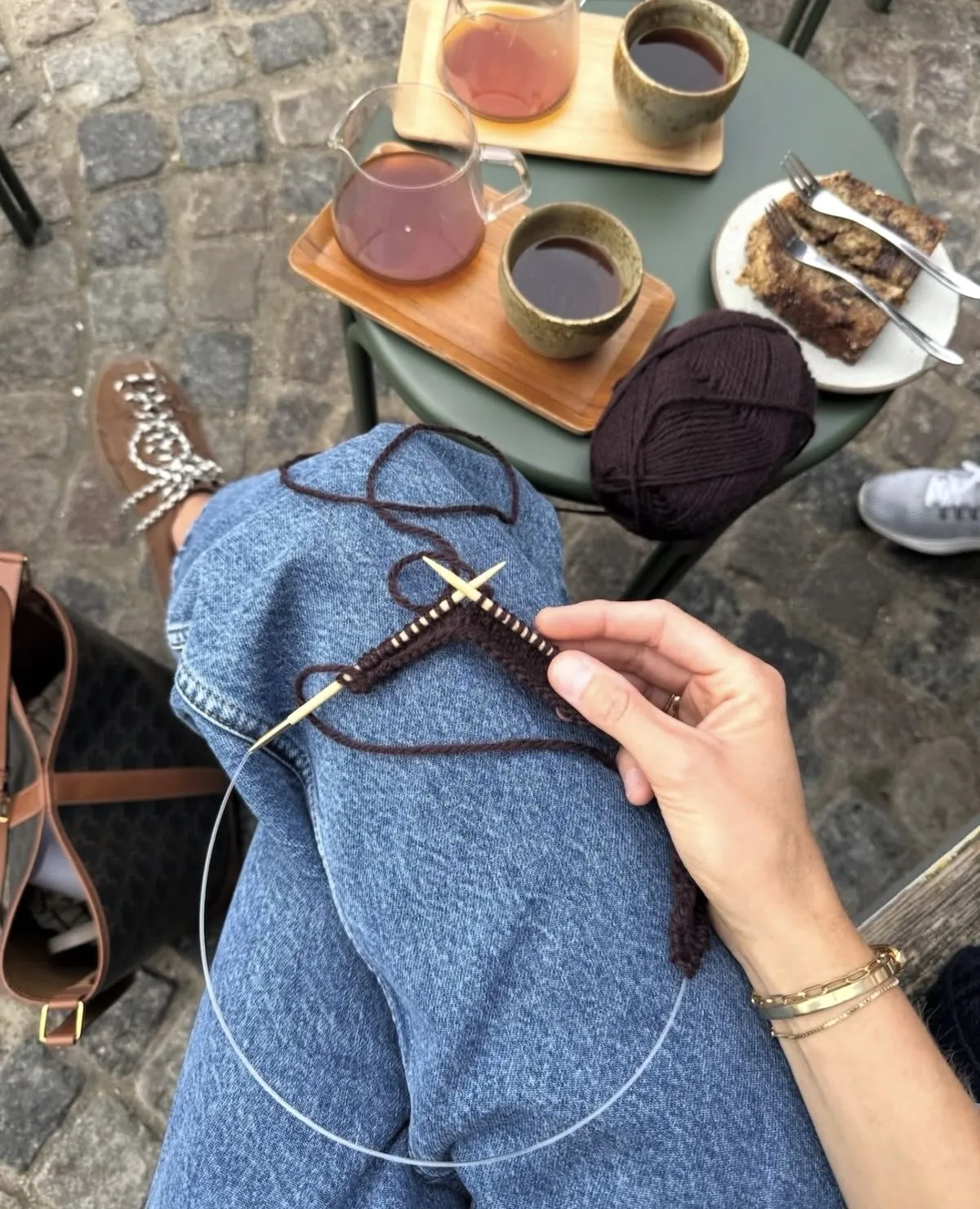
Photo: https://pin.it/2pDyFUJMn
2. Calligraphy
If you enjoy beautiful handwriting or want to make everyday writing feel a little more special, try calligraphy. It’s the art of creating decorative letters using specific strokes, tools, and techniques.
You can start with a basic pen and paper before investing in special calligraphy tools. Practice writing the alphabet, experiment with different styles, or try making your own greeting cards.
Calligraphy requires patience and attention to detail, making it a nice way to slow down and focus on one thing at a time.
Perfect for: Creative expression, practicing patience, and making personalized gifts.
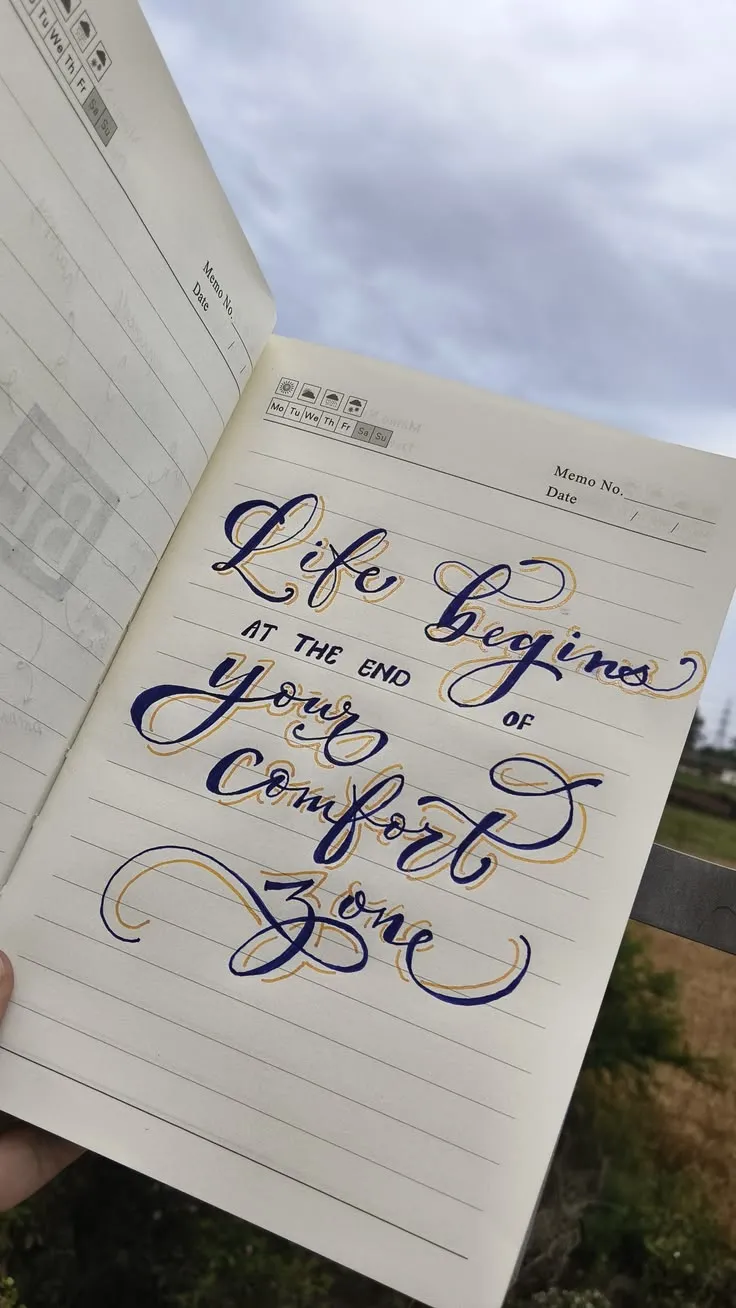
Photo: https://pin.it/3vTeXUw4r
3. Film Photography
Film photography is a fun way to explore the world around you without constantly checking your phone. Unlike digital photography, film gives you a limited number of shots, encouraging you to be more intentional about what you capture. As well as letting go of control.
You might photograph your daily walks, interesting buildings, your friends, or small details you usually overlook. The waiting is part of the experience, too. You won’t see your photos immediately, which makes getting them developed feel even more exciting.
Personally, I’m a huge fan of film photography and my camera travels everywhere with me. I capture raw moments from my travels without knowing if and how they will turn out. And yes, sometimes the film is damaged as well as photos, this is part of the process too.
You can start with a second-hand film camera or a disposable one if you want to try it without spending too much.
Perfect for: Exploring your surroundings, noticing small details, and creating lasting memories.

Hiking in Albanian mountains.
4. Crosswords
Crossword puzzles are a simple way to give your brain something to do while taking a break from screens. They challenge your vocabulary, general knowledge, and problem-solving skills.
You can find crosswords in newspapers, puzzle books, and magazines. Start with easier puzzles and gradually try more challenging ones as you get comfortable.
They’re also easy to fit into your day. Solve a few clues with your morning coffee, bring a puzzle book on your commute, or spend a quiet evening working through a particularly tricky grid.
Perfect for: Mental stimulation, quiet mornings, and screen-free breaks.
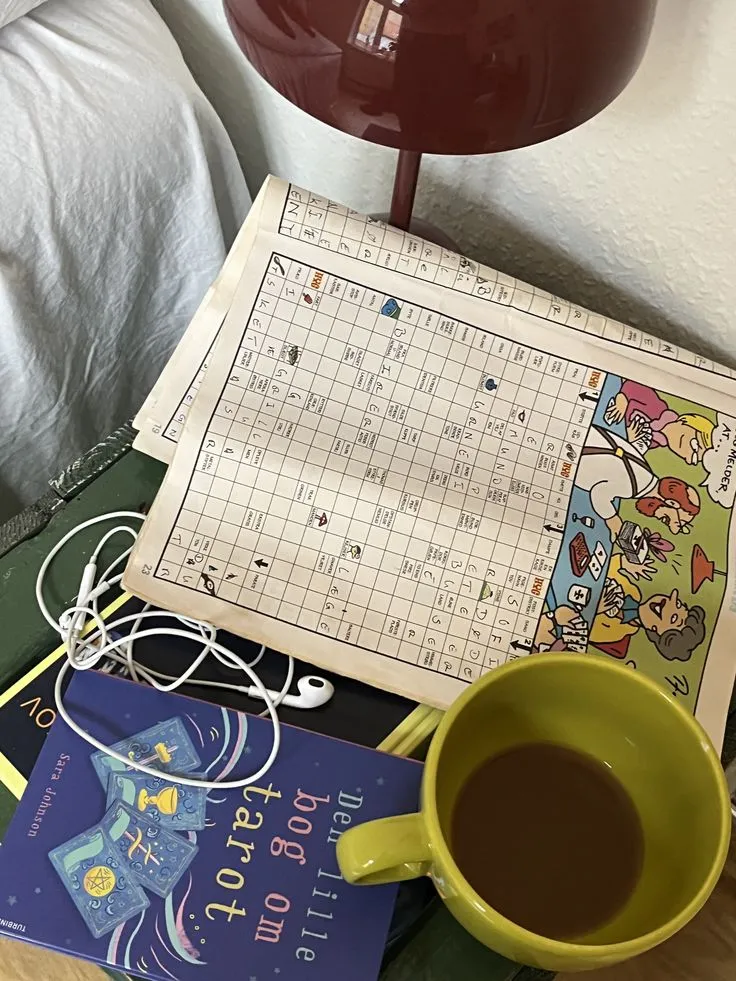
Photo: https://pin.it/2ztRIEOZj
5. Doodling
You don’t need to be an artist to enjoy doodling. All you need is a pen and a piece of paper.
Doodling is about drawing for fun rather than creating something perfect. Fill a page with little flowers, funny faces, abstract shapes, or random patterns. You can also try drawing objects around you or turning simple shapes into something more interesting.
It’s an easy hobby to pick up whenever you have a few spare minutes. There are no rules, expensive supplies, or expectations to worry about.
Perfect for: Relaxing, expressing creativity, and taking a break from overthinking.
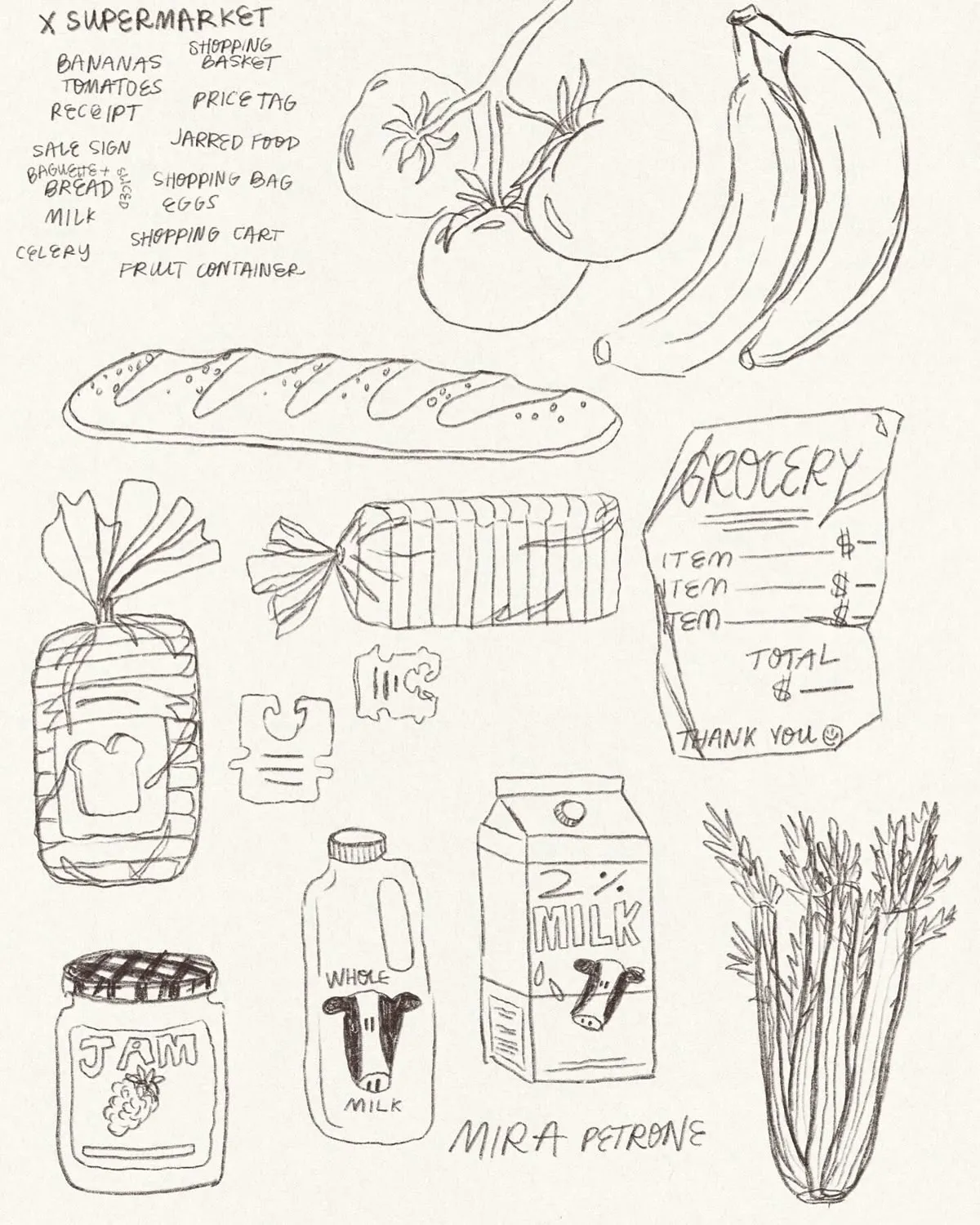
Photo: https://pin.it/2BDgE5XEC
6. Origami
Origami is the Japanese art of paper folding. With just a sheet of paper, you can create flowers, animals, boxes, and all kinds of decorative objects. I must be honest, I am yet to master this craft!
Although some designs can be complicated, there are plenty of beginner-friendly projects to try. Start with a paper crane, a simple heart, or a small box before moving on to more advanced creations.
Origami encourages you to follow instructions carefully and pay attention to each fold. It’s a satisfying feeling to turn a flat piece of paper into something completely different.
Perfect for: Practicing focus, trying something new, and creating decorations or handmade gifts.
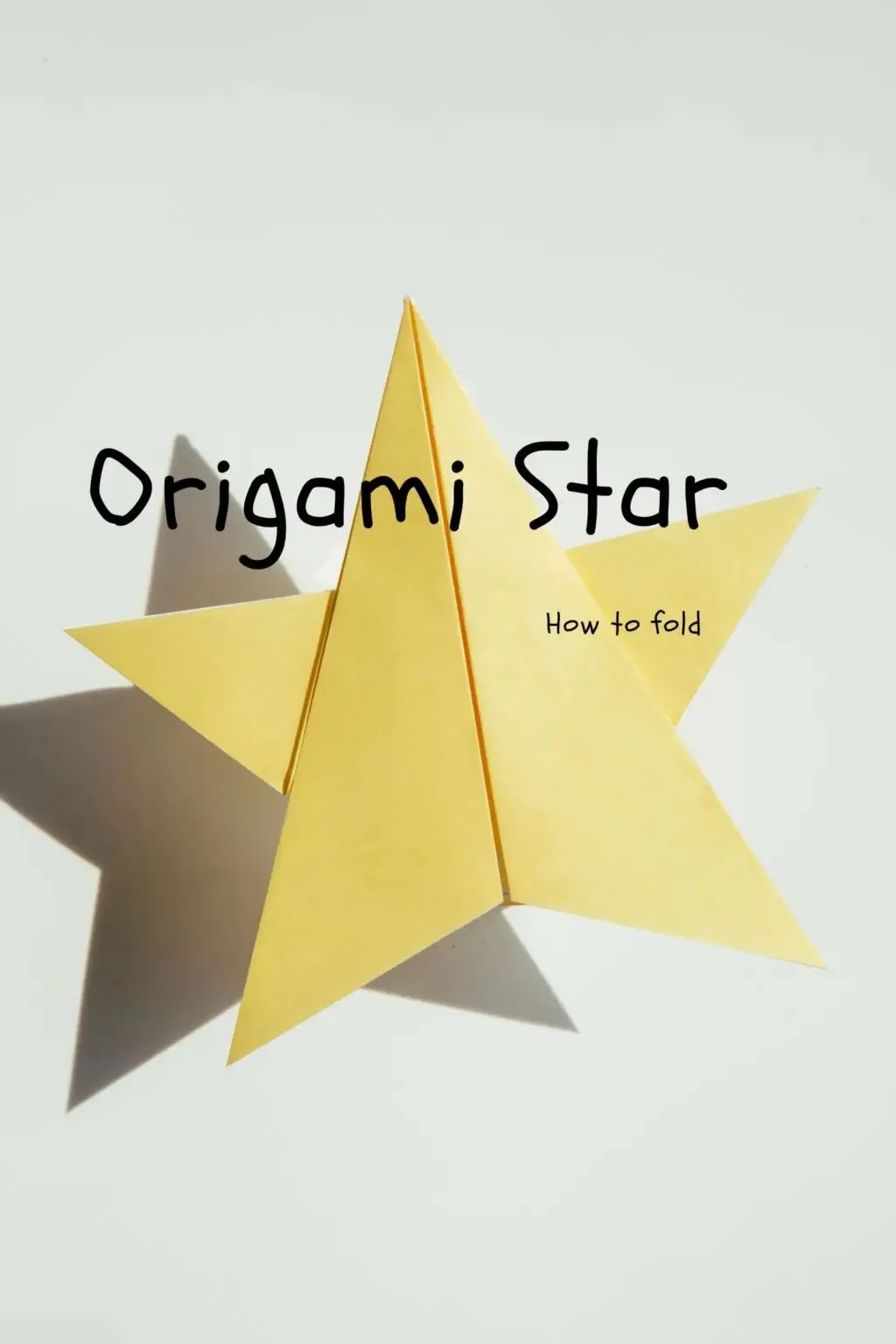
Photo: https://pin.it/5Yew7Vbmn
link to tutorial: https://origamiok.com/origami-star/?utm_source=Pinterest&utm_medium=organic
7. Watercolor Painting
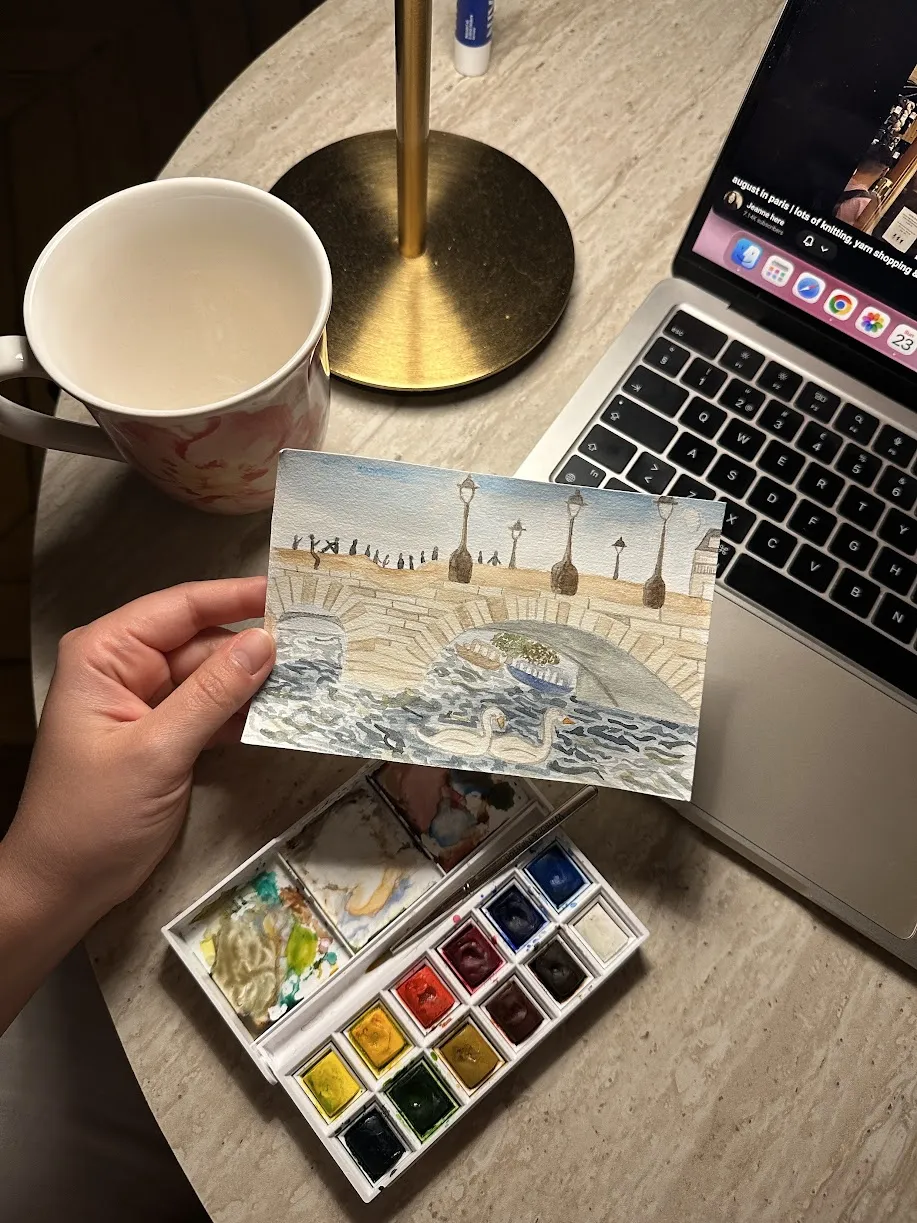
Watercolor painting is a great offline hobby if you want to explore your creative side. The colors blend in beautiful, sometimes unpredictable ways, making every painting a little different.
You don’t have to know how to draw or paint to get started. Try painting simple flowers, fruit, landscapes, or abstract shapes. You can also experiment with mixing colors and learning how different amounts of water change the result.
A basic watercolor set, a brush, and some watercolor paper are enough for your first attempts. Don’t worry about making a masterpiece. The point is to enjoy the process and give yourself time to experiment.
Perfect for: Creative relaxation, experimenting with colors, and spending a quiet afternoon offline.
8. Yoga
Not every analog hobby needs to involve making something. Yoga is a great way to reconnect with your body, move a little, and take a break from the constant stimulation of screens.
You can practice at home with a yoga mat and a little space. Start with simple stretches and beginner-friendly poses, focusing on your breathing and how your body feels.
If you usually spend your evenings sitting on the couch with your phone, even ten minutes of yoga can be a refreshing change. You don’t need to be flexible or experienced to begin. The goal of yoga is to get to know yourself.
Perfect for: Gentle movement, relaxing after a long day, and spending more time away from screens.
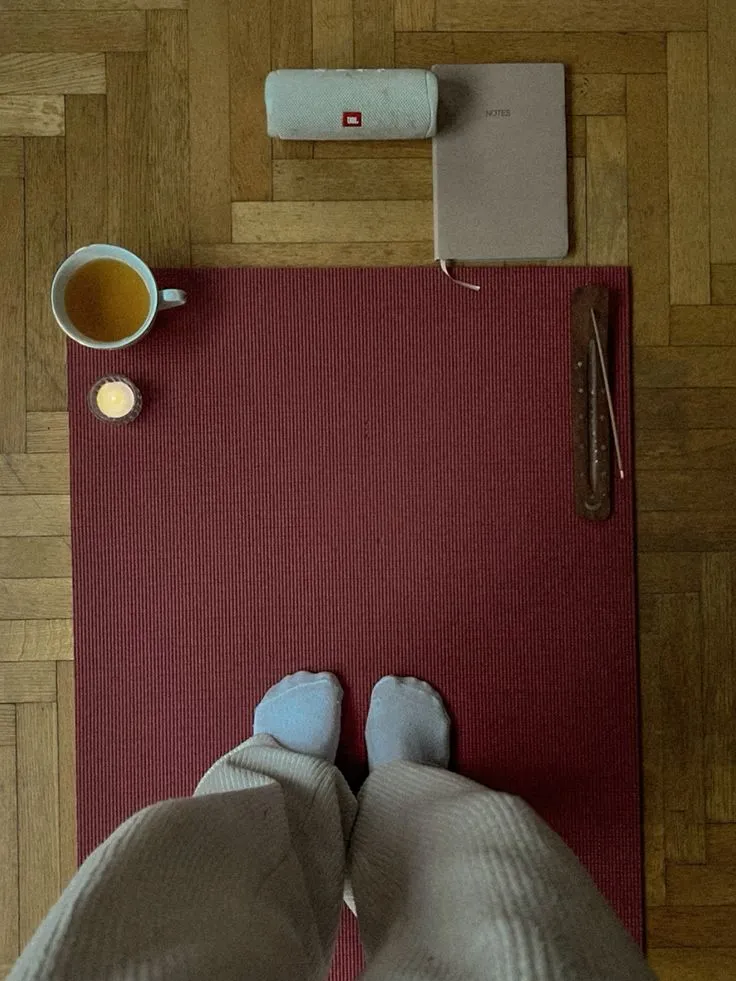
Photo: https://pin.it/3S5GPsTfN
9. Puzzles
Jigsaw puzzles are a classic offline activity that can turn a quiet afternoon into something surprisingly engaging. They encourage you to focus on the task in front of you and work toward a clear goal.
Choose a smaller puzzle if you’re a beginner or challenge yourself with hundreds or thousands of pieces if you want a longer project. You can work on it alone or invite friends and family to join.
One of the best parts is the feeling of placing that final piece. You get a tangible result from the time you spent, and you can even frame the finished puzzle if you love how it looks.
Perfect for: Relaxing evenings, spending time with others, and enjoying a screen-free challenge.
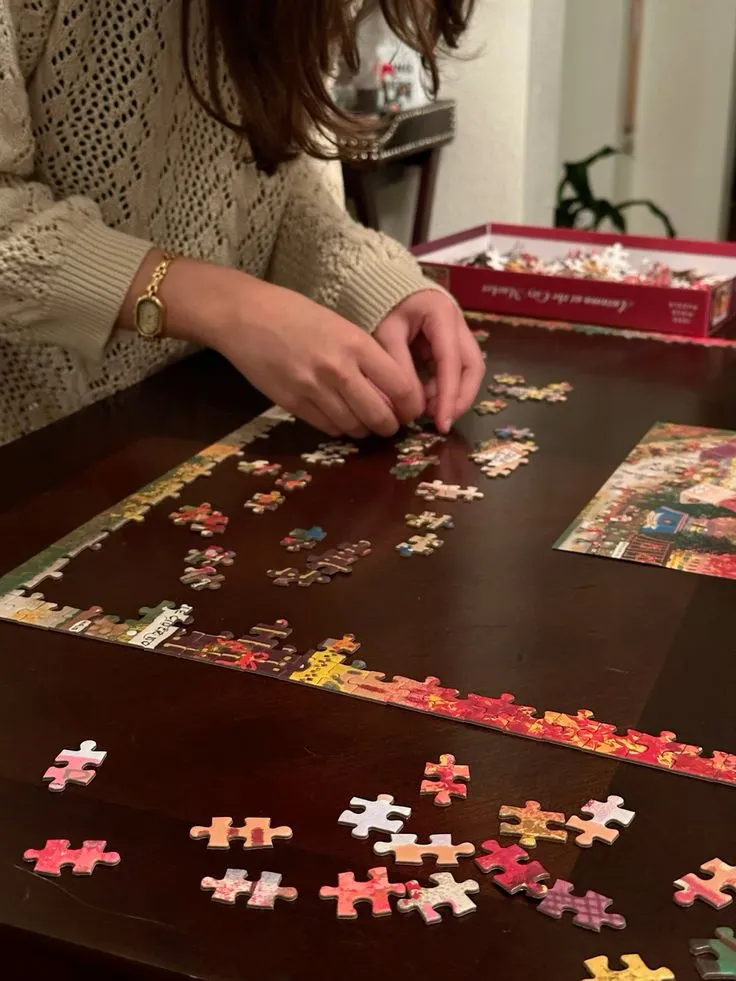
Photo: https://pin.it/4bS9mYPBh
How to Make More Time for Analog Hobbies in 2026
Finding a new hobby is the easy part. Making time for it can be a little harder, especially when your phone is always nearby and there is something new to scroll through.
Here are five simple ways to make more room for offline activities in your everyday life.
Start Small
You don’t need to spend hours on a new hobby. Even 10 or 15 minutes is enough to get started and see if you enjoy it. Try doodling during your lunch break, solving a crossword with your morning coffee or doing a short yoga practice in the evening. The main object is to start and you can do it with baby steps (if Olivia Dean started singing in your mind, we’re besties!).
Keep Your Supplies Visible
Leave your sketchbook on your desk, your yarn next to the couch, or your puzzle on a table. When your hobby is easy to pick up, you’re more likely to spend time doing it. Make simple psychology work for you.
Put Your Phone Away
Notifications and social media can easily interrupt your focus. Try leaving your phone in another room while you spend time on your hobby. Without constant distractions, it’s easier to give the activity your full attention.
Experiment With Different Activities
Not every hobby will be right for you, and that’s okay. Try a few different things until you find something you genuinely enjoy. You might discover that you love painting even if you’ve never considered yourself creative, or that solving puzzles is the perfect way to unwind.
Make It Part of Your Day
You could paint after work, solve a crossword with your morning coffee, or practice yoga before bed. Find a time that works for you instead of trying to force a completely new schedule.
The goal isn’t to fill every free moment with an activity. It’s to make more room for things you enjoy.
Spend Less Time Scrolling and More Time Living
You don’t have to give up your phone completely to enjoy a more offline lifestyle. Sometimes, all it takes is finding something you’d rather be doing.
Analog hobbies give you a chance to explore your interests, learn new skills, and enjoy your free time away from screens. Whether you choose knitting, watercolor painting, yoga, or something else entirely, the important thing is finding an activity you genuinely enjoy.
The tricky part is often putting your phone down long enough to get started.
That’s why we created Be Analog.
Be Analog is an app designed to help you spend less time on your phone and more time doing the things you love. Start a timer for an offline hobby, put your phone aside, and dedicate time to cozy offline activities. As you complete sessions, you earn seeds that you can use to grow your own cozy virtual space in the app.
Think of it as a little encouragement to make more room for life beyond your screen.
Ready to try something new? Pick one hobby from this list, set aside some time this week, and see where it takes you. You might discover a new passion — and a new reason to put your phone down.
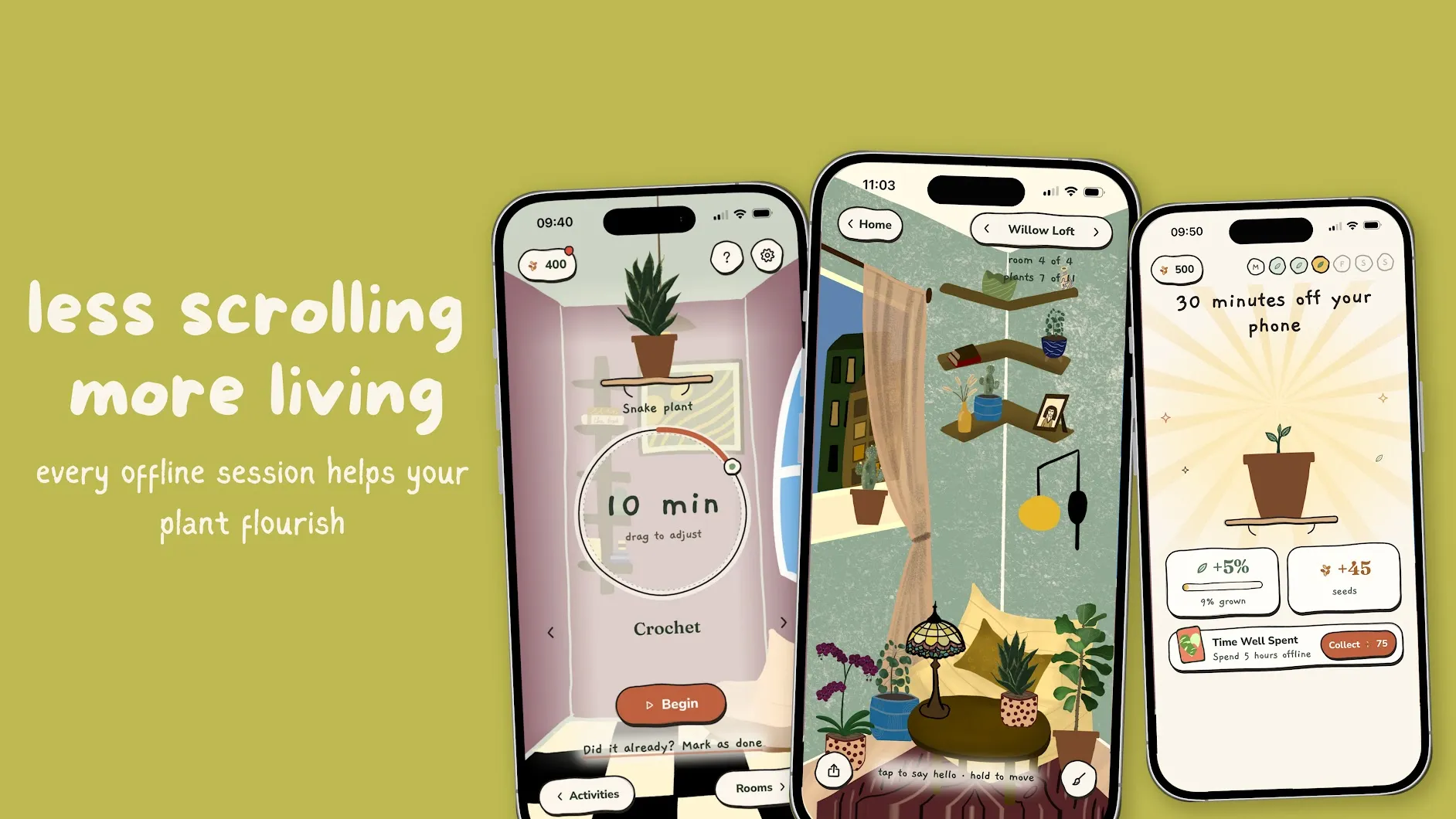
Free to use, no-login & beautiful hand-drawn illustrations. Start your analog life now:
Google Play Store: https://play.google.com/store/apps/details?id=com.sokkio.beanalog
Frequently Asked Questions About Analog Hobbies
What Are Analog Hobbies?
Analog hobbies are activities you can enjoy without relying on digital devices. Examples include knitting, crochet, calligraphy, film photography, drawing, origami, painting, yoga, and solving puzzles. They offer a way to spend your free time creatively or actively without depending on screens.
What Are the Benefits of Analog Hobbies?
Analog hobbies can provide opportunities to express creativity, being present, learn new skills, practice patience, and take a break from digital distractions. Depending on the activity, they can also encourage movement, problem-solving, or social connection. The benefits vary by hobby, but the main idea is to spend time doing something you enjoy away from your screen.
What Hobbies Can I Do Instead of Scrolling on My Phone?
There are plenty of things you can do instead of scrolling. Try doodling, reading a book, knitting, solving a crossword, painting, practicing yoga, or working on a jigsaw puzzle. Choose something that fits your interests and the time you have available.
What Are Some Easy Analog Hobbies for Beginners?
Doodling, crosswords, origami, and simple watercolor painting are all beginner-friendly options. Most require only a few basic supplies, and you don’t need previous experience. Start with something that sounds fun rather than worrying about being good at it.
How Can I Spend Less Time on My Phone?
Start by noticing when you tend to reach for your phone, such as when you’re bored, relaxing, or taking a break. Try replacing some of those moments with an offline activity you enjoy. Keeping hobby supplies nearby, turning off unnecessary notifications, and setting aside screen-free time can also help. Apps like Be Analog can provide extra encouragement to put your phone aside and focus on offline activities.