
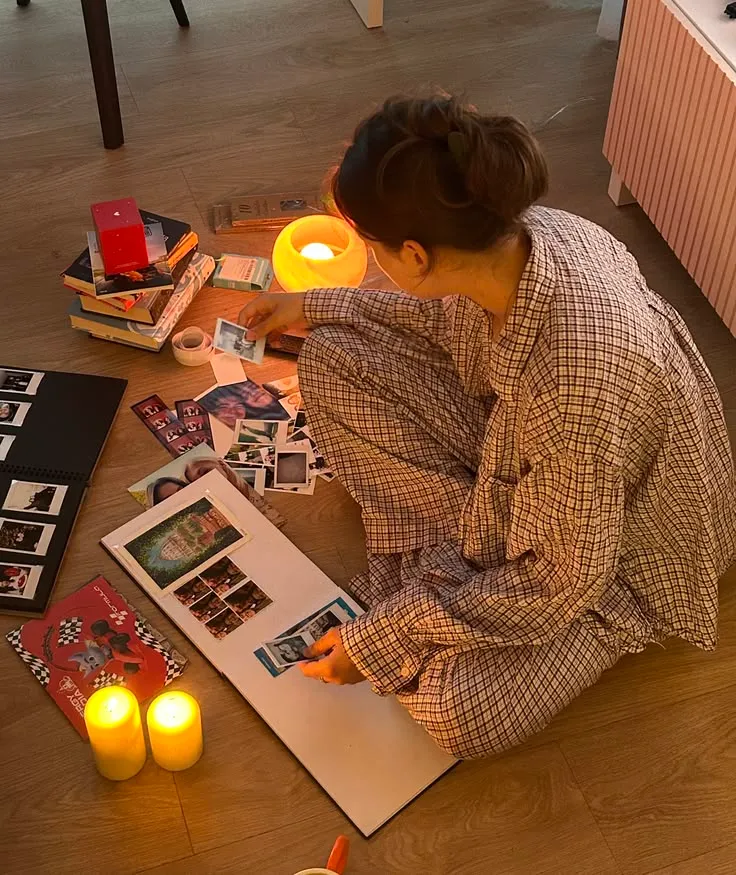
Don’t you remember being a child when creativity was (most likely) your middle name? Drawing for hours, making little crafts, inventing stories, building things out of whatever you could find. Back then, you didn’t need a reason to be creative. You simply did it because it was fun.
Somewhere along the way, things changed.
As we get older, many of us lose touch with our creative side. Life gets busy, responsibilities pile up, and we start prioritizing things that feel productive or necessary. Creative activities can even begin to feel a little childish, unnecessary, or like something we don’t have time for.
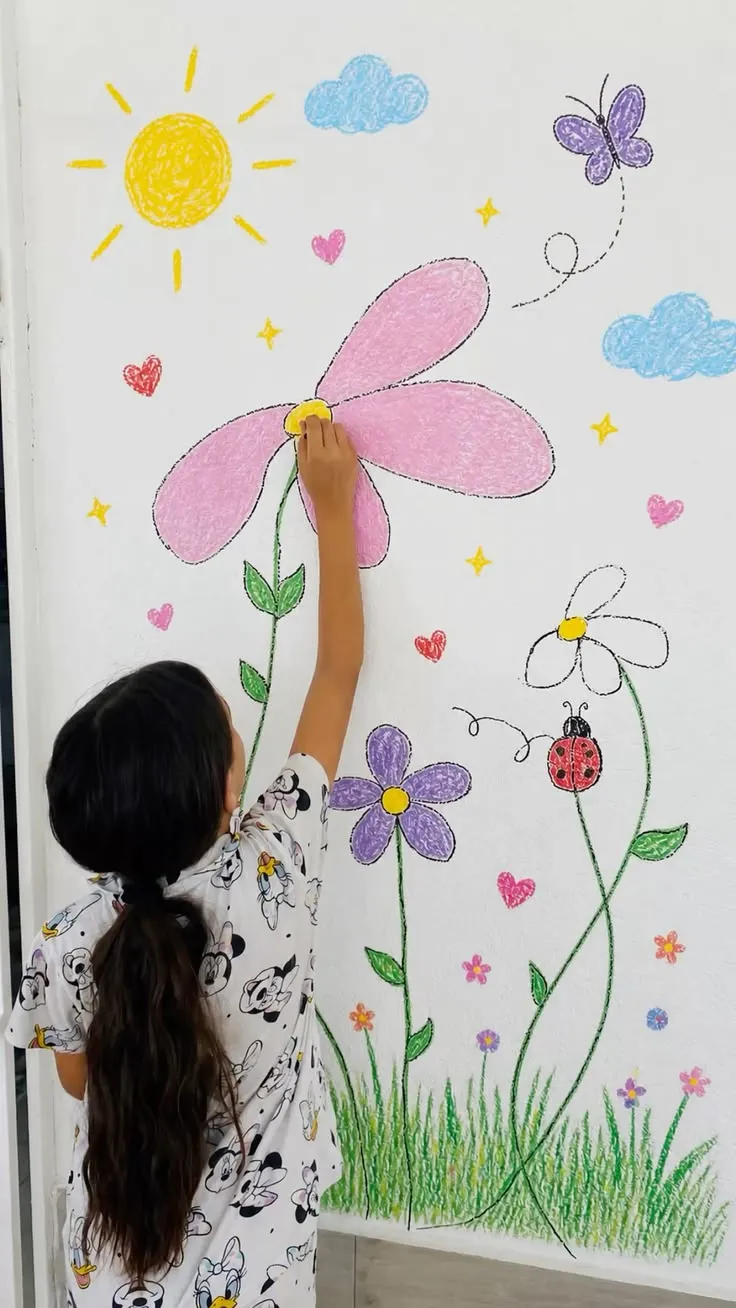
Source: https://pin.it/6X3uYsOHe
But here’s the thing: creativity doesn’t have an age limit. And you don’t need to be particularly talented, artistic, or experienced to enjoy it.
The fact that you’re here probably means you’re looking for ways to bring a little more creativity into your everyday life. And I’m so happy about that!
Whether you want to discover a new passion, spend less time scrolling on your phone, or simply find a relaxing activity to enjoy after a long day, creative hobbies can be a wonderful place to start.
I’ve put together a list of 17 creative hobbies to try as an adult. From painting and pottery to photography and creative writing, there’s something for every kind of personality, interest, and budget.
Why Should Adults Make Time for Creative Hobbies?
Before jumping into the list, let’s talk about why creativity deserves a place in our adult lives.
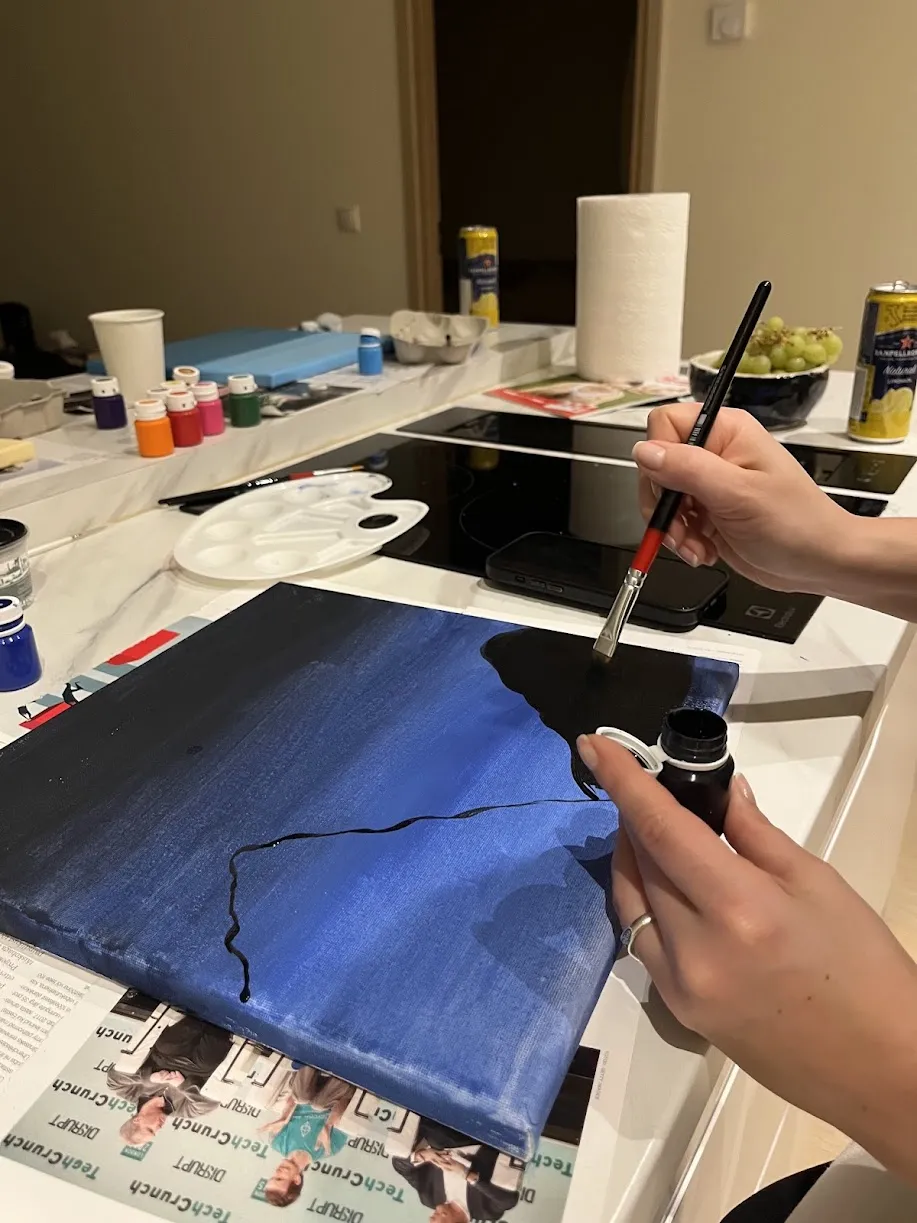
Creative hobbies aren’t just a way to pass the time. They can offer something that many of us are missing in our everyday routines: an opportunity to slow down, experiment, express ourselves, and enjoy something without worrying about the outcome.
Here are a few reasons to give your creative side some attention.
1. Relaxation & stress management
Creative activities give your mind something different to focus on. Instead of thinking about work, responsibilities, or your never-ending to-do list, you can immerse yourself in something enjoyable.
Activities like painting, knitting, pottery, or journaling can become little moments of calm in an otherwise busy day.
2. Sense of accomplishment
There’s something incredibly satisfying about making something with your own hands. Whether it’s finishing a painting, completing a knitted scarf, or developing a collection of photographs, you get to see the results of your time and effort.
And unlike ticking off another work task, this accomplishment is entirely your own.
3. Self-expression
Not everything needs to have a practical purpose. Creative hobbies give you the freedom to explore your thoughts, feelings, ideas, and interests in different ways.
You can experiment, make mistakes, change your mind, and create something that reflects your personality.
4. Learn new skills
It’s never too late to become a beginner again. Learning to play an instrument, trying watercolor painting, or experimenting with photography gives you an opportunity to challenge yourself and develop new skills.
You don’t have to master anything. Enjoying the process of learning is already a good enough reason.
5. Create opportunities to connect with others
Creativity doesn’t always have to be a solo activity. Art classes, pottery workshops, knitting groups, and writing clubs are great ways to meet people who share your interests.
Having a creative hobby can help you build connections beyond your usual social and professional circles.
So, there’s more to creative hobbies than simply having something fun to do!
17 Creative Hobbies to Try as an Adult
Ready to find your next favorite pastime? Here are 12 creative hobbies worth exploring. Some require little more than a few basic supplies, while others might inspire you to try something completely new.
1. Drawing and Sketching
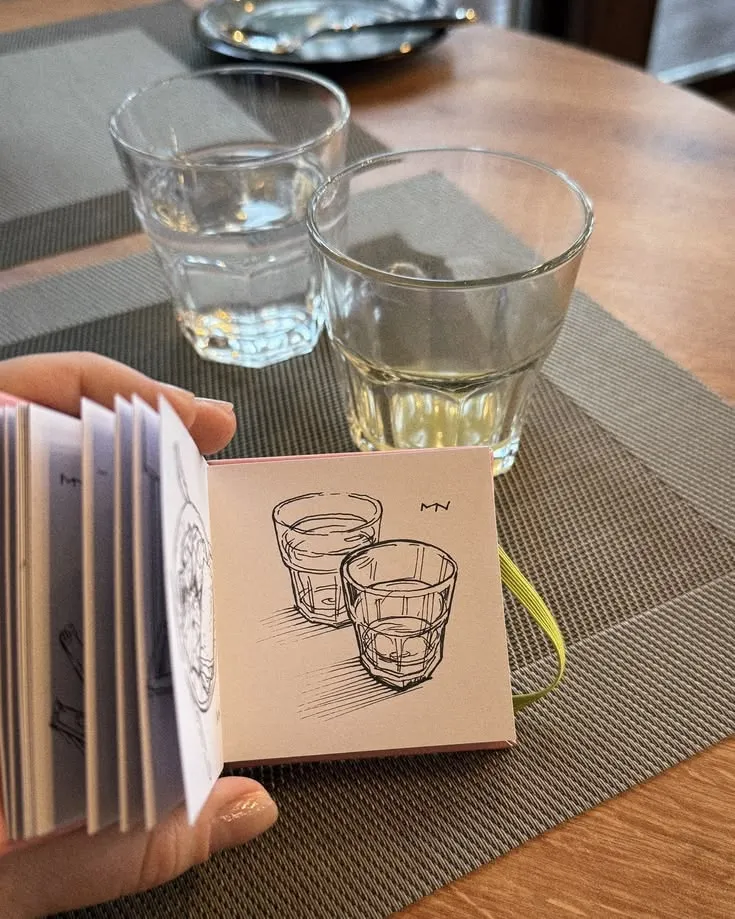
You don’t need to be an artist to enjoy drawing. In fact, sketching is one of the easiest creative hobbies to start because all you really need is a pencil and a piece of paper.
You can draw everyday objects, people, flowers, buildings, or simply let your imagination take over. Try keeping a small sketchbook with you and drawing something that catches your attention throughout the day.
What you need: A sketchbook, pencils, an eraser, and optionally colored pencils or markers.
Why try it: Drawing encourages you to observe the world around you more closely. It’s also a lovely way to express yourself without needing to follow any rules.
Source: https://pin.it/32q26vTsO
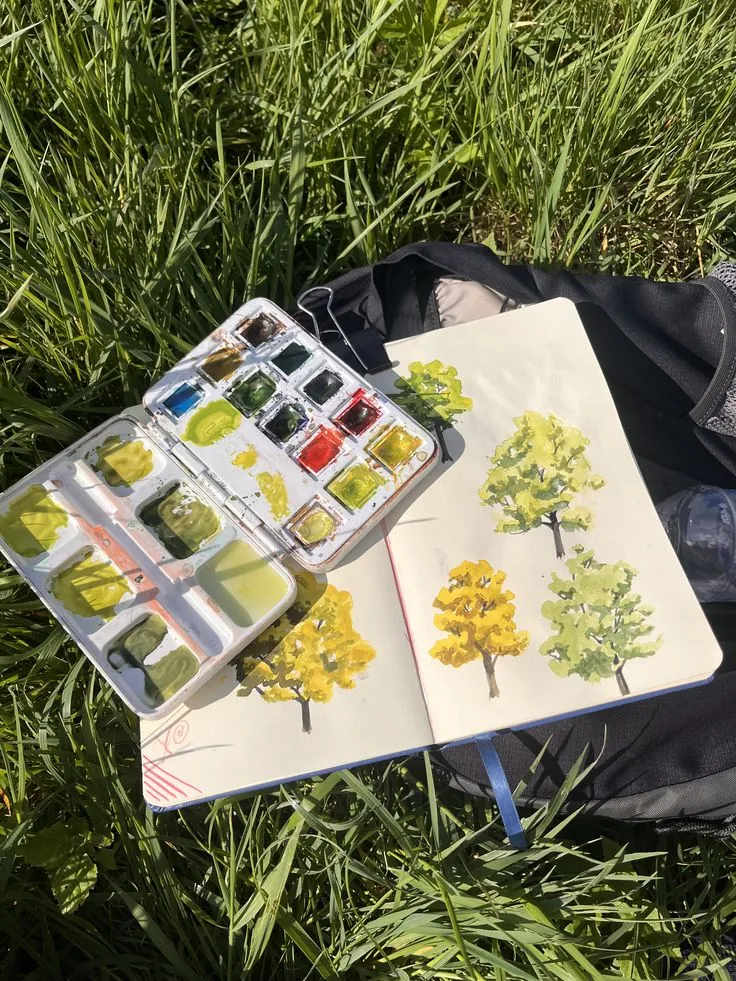
2. Watercolor Painting
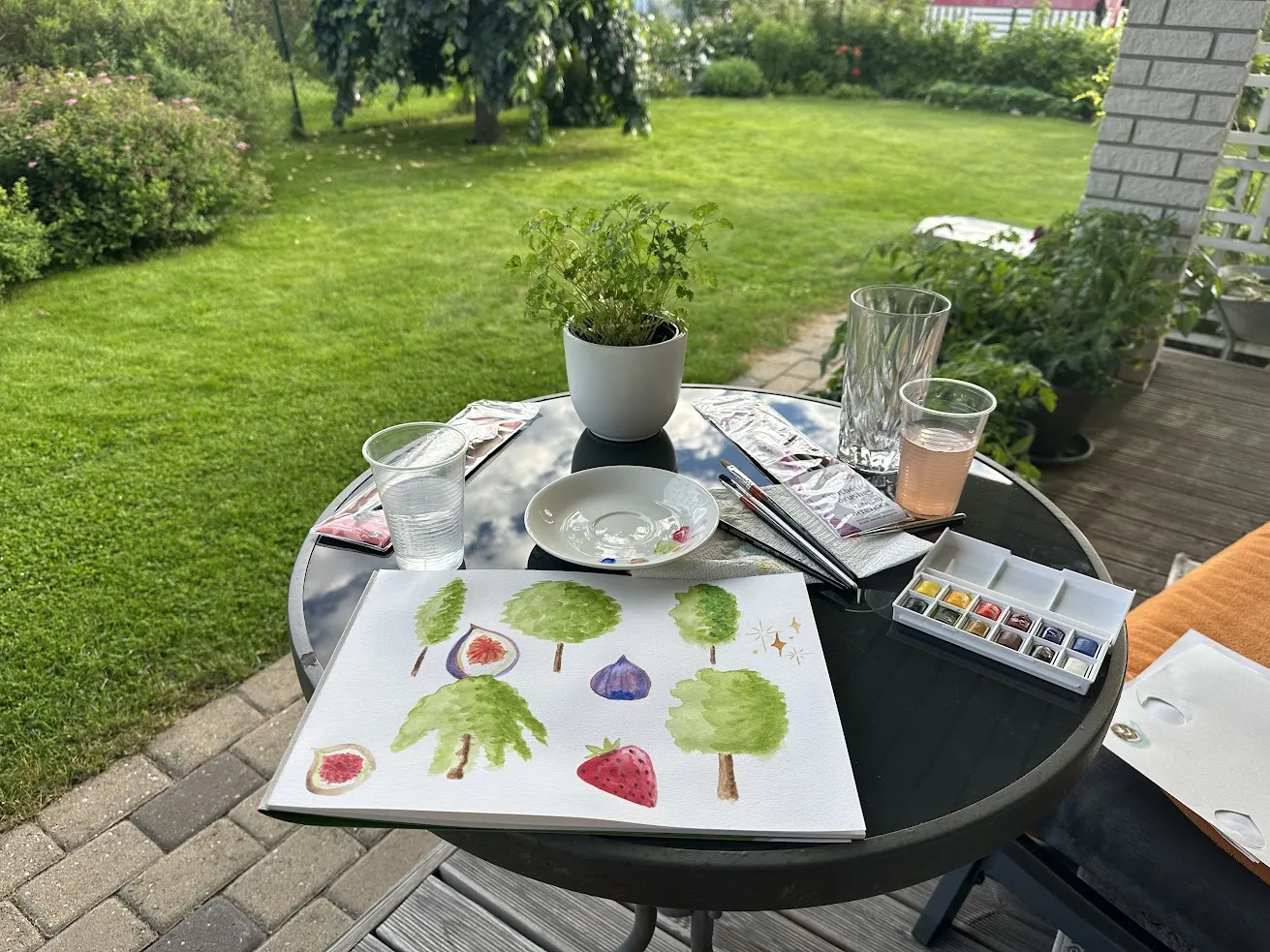
If you enjoy colors and want a relaxing creative activity, watercolor painting might be just what you’re looking for.
Watercolors are known for their soft, transparent appearance and beautiful color combinations. You can paint flowers, landscapes, little illustrations, or abstract compositions.
One of the best things about watercolor is that you can start small. There are plenty of beginner tutorials online that will help you understand basic techniques like color mixing, layering, and controlling the amount of water you use.
What you need: Watercolor paints, watercolor paper, a few brushes, a palette, and a jar of water.
Why try it: It’s a wonderful way to experiment with colors, enjoy the creative process, and make something beautiful without worrying too much about perfection.
Source: https://pin.it/4eaSxIFzK
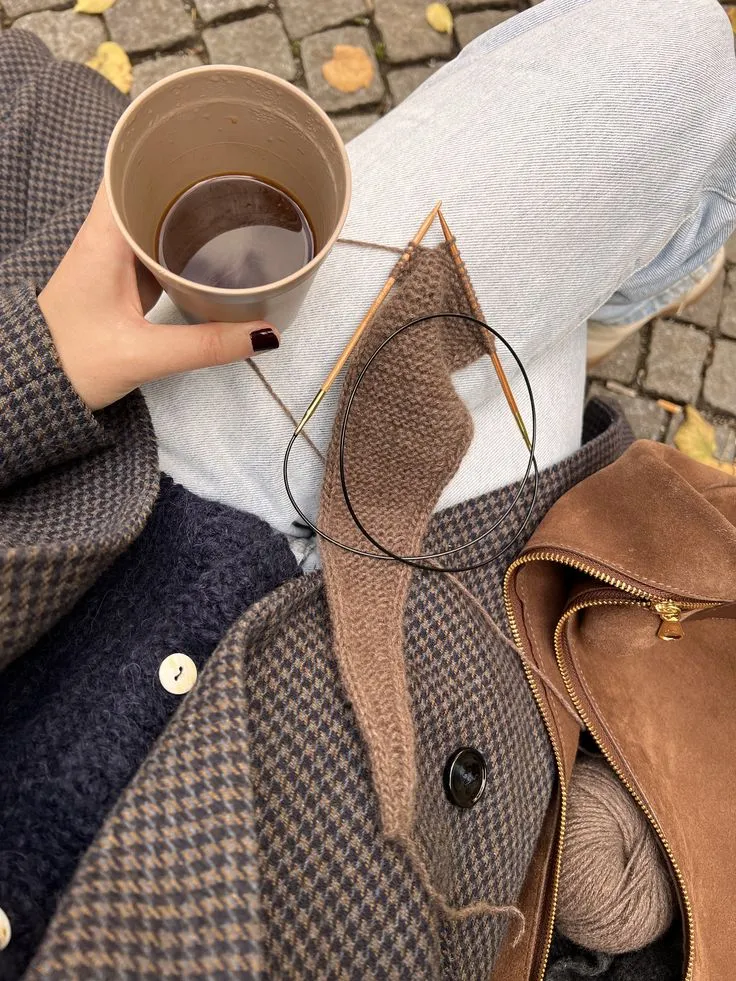
3. Knitting and Crochet
Knitting and crochet are perfect if you enjoy working with your hands and watching something gradually take shape.
Both hobbies involve creating fabric from yarn, but they use different techniques. Knitting typically uses two needles, while crochet uses a single hook.
You can start with something simple, like a scarf, a coaster, or a small pouch, and eventually move on to more complicated projects such as sweaters, blankets, or decorative items.
What you need: Yarn, knitting needles or a crochet hook, scissors, and a beginner-friendly pattern.
Why try it: These activities can be wonderfully calming and satisfying. They’re also practical: you get to create something you can actually wear, use, or give as a gift.
Source: https://pin.it/4RnSylUua
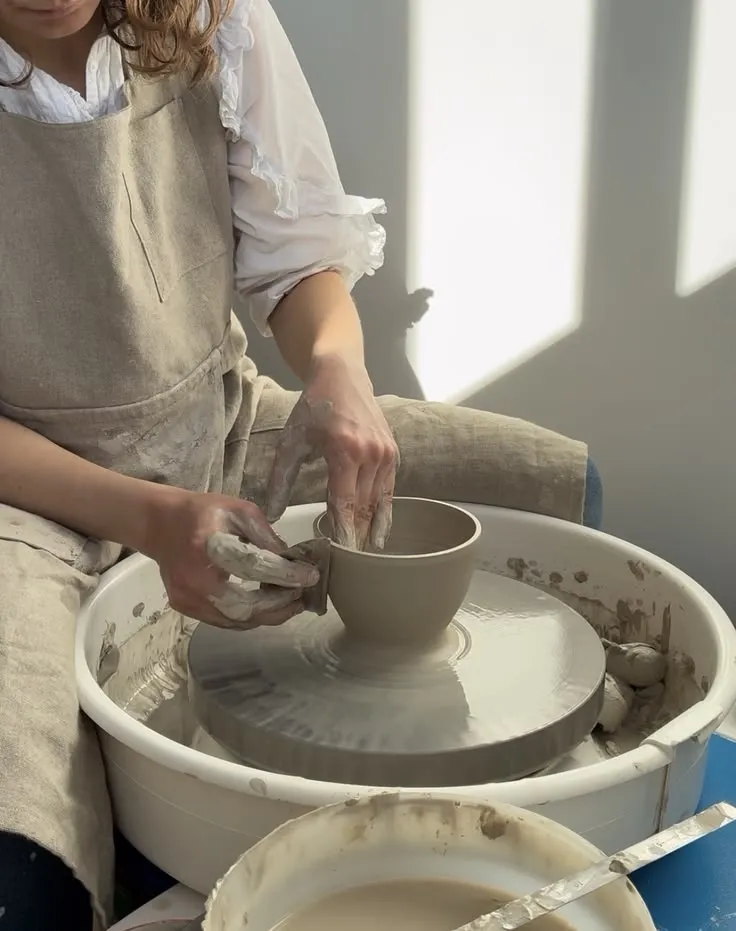
4. Pottery and Air-Dry Clay
Have you ever wanted to make your own ceramic mug, bowl, or little decorative object? Pottery is a great way to explore your creative side while working with your hands.
Traditional pottery involves shaping clay, often using a pottery wheel, followed by drying, firing, and glazing. If you want something easier to try at home, air-dry clay is a beginner-friendly alternative that doesn’t require a kiln.
Start with small projects like candle holders, jewelry dishes, ornaments, or miniature sculptures.
What you need: Air-dry clay, a rolling pin, sculpting tools, water, and paint or varnish for finishing.
Why try it: Working with clay is tactile and engaging. It’s a chance to step away from screens and create something unique from scratch.
Source: https://pin.it/3u0n1vkLN
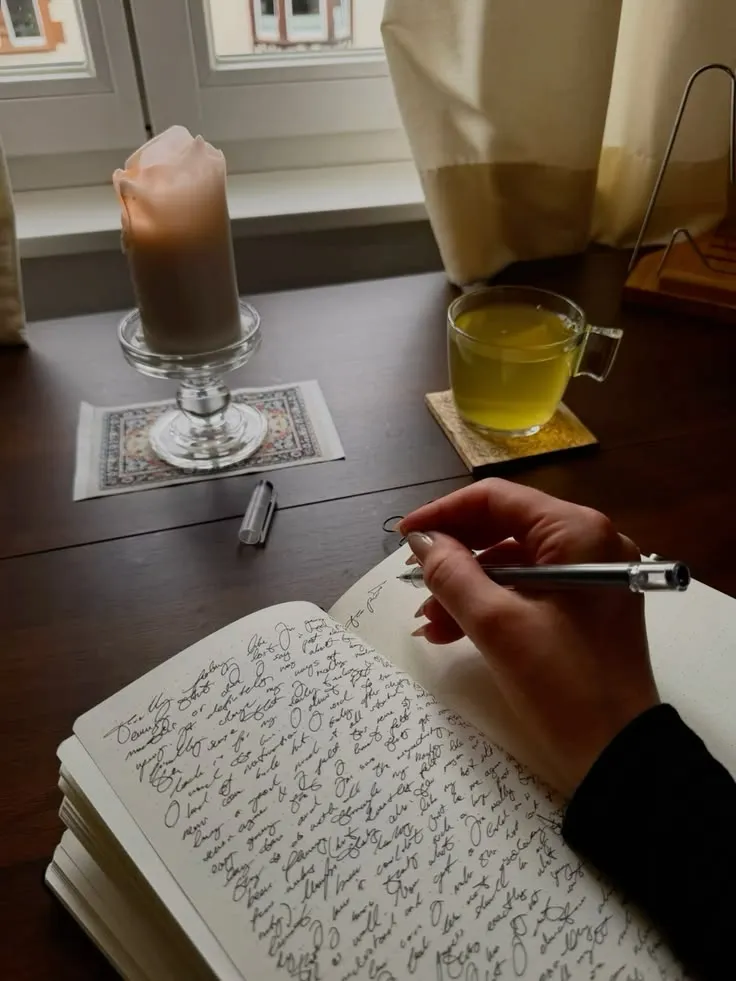
5. Creative Writing
If you love words, storytelling, or simply have a lot of thoughts running through your head, creative writing could become your new favorite hobby.
You don’t have to dream of becoming a published author. Writing can be as simple as keeping a journal, writing short stories, creating fictional characters, or experimenting with poetry.
Try setting yourself a small writing challenge. For example, write a short story based on something you saw on your way home, or spend ten minutes describing an imaginary place.
What you need: A notebook and pen, or a computer if you prefer typing.
Why try it: Creative writing encourages imagination, self-expression, and reflection. It can also help you explore ideas and experiences in a completely new way.
Source: https://pin.it/DpXddKOpF
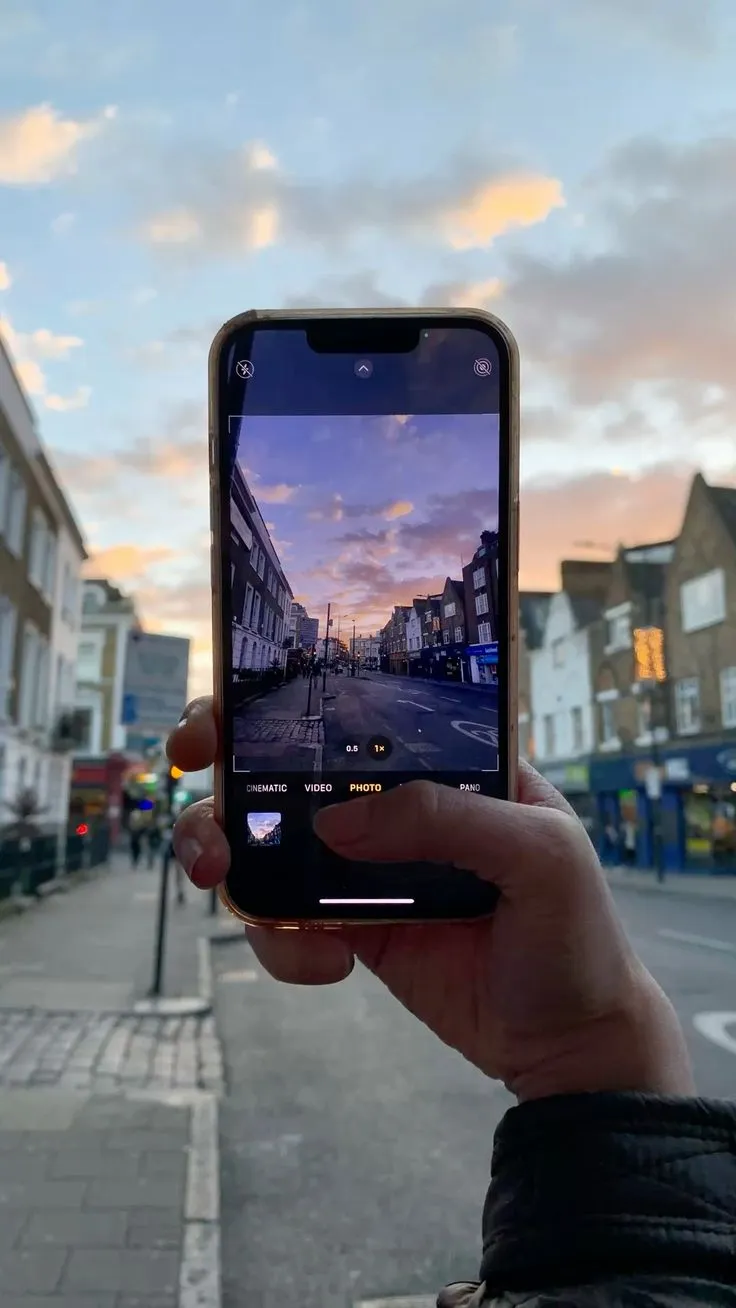
6. Photography
Photography is a great hobby for anyone who enjoys observing their surroundings and capturing little moments.
You don’t need an expensive camera to get started. Your smartphone is more than enough to learn basic composition, lighting, perspective, and storytelling through images.
Try going on a photo walk and choosing a theme, such as interesting architecture, flowers, shadows, or everyday details. You might be surprised by how many beautiful things you start noticing.
What you need: A smartphone or camera. Photo editing software is optional.
Why try it: Photography encourages you to slow down and pay attention to the world around you. It can turn an ordinary walk into a little creative adventure.
Source: https://pin.it/43oYs6v0b
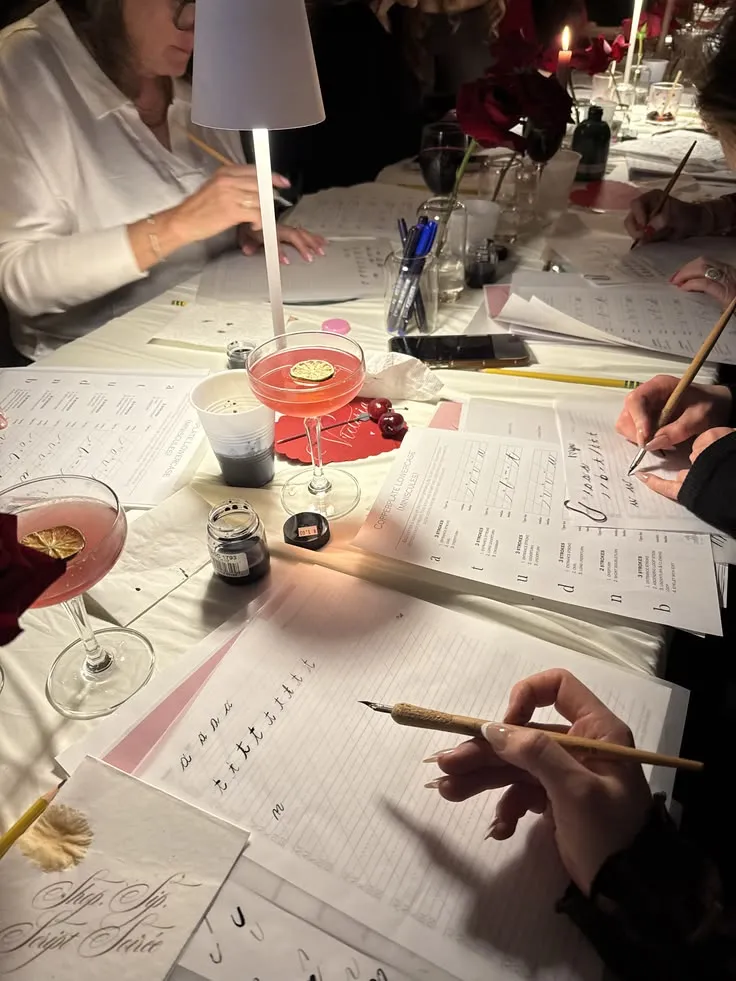
7. Calligraphy and Hand Lettering
If you love beautiful handwriting, typography, or stationery, calligraphy and hand lettering are worth exploring.
Calligraphy focuses on creating decorative lettering using specific tools and techniques, while hand lettering gives you more freedom to design individual letters and words.
You can practice writing quotes, creating greeting cards, decorating journal pages, or designing personalized gifts.
What you need: Paper, pencils, brush pens or calligraphy pens, and beginner practice sheets.
Why try it: It’s a creative activity that combines concentration, patience, and artistic expression. Plus, you’ll end up with a skill you can use to make beautiful personal touches for everyday life.
Source: https://pin.it/4iiYLz47O
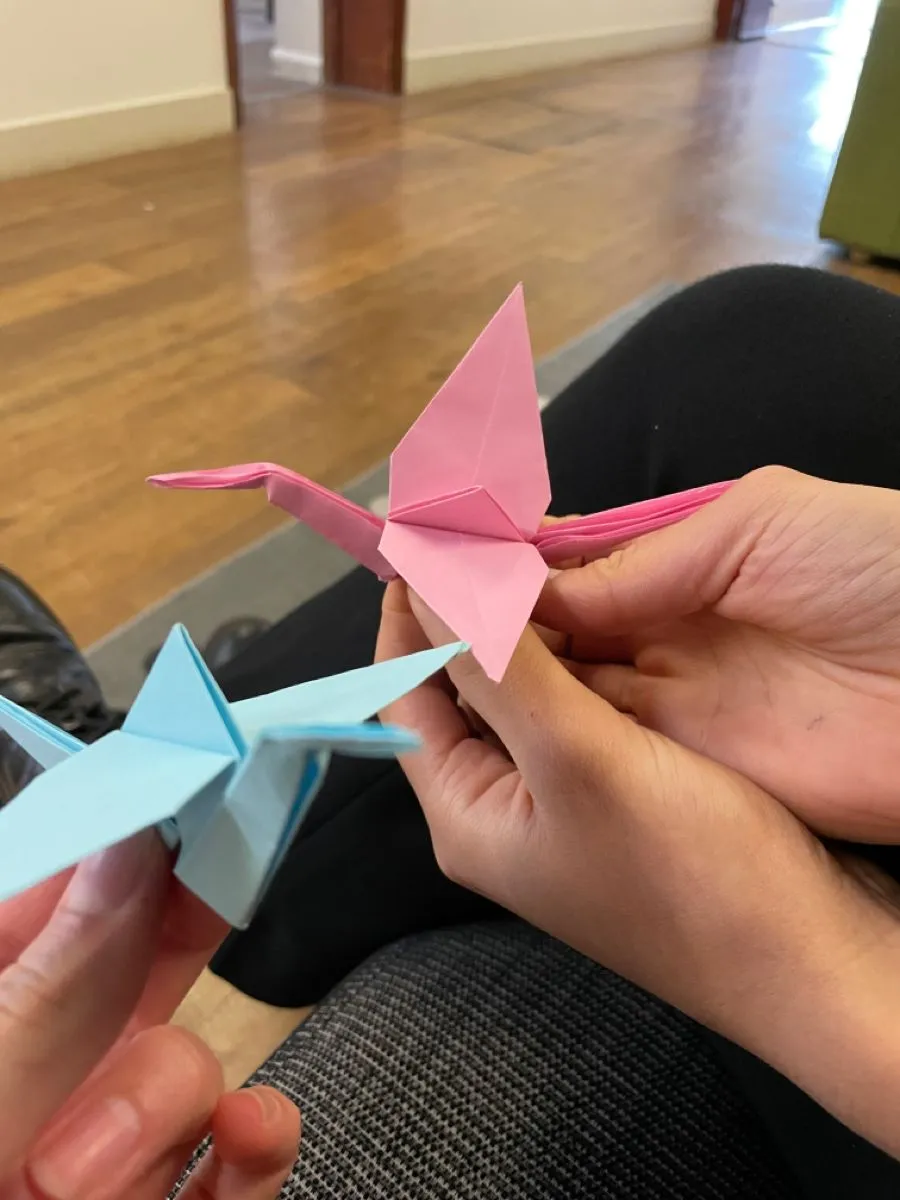
8. Origami
Origami is the Japanese art of paper folding. With just a single sheet of paper, you can create flowers, animals, geometric shapes, and all kinds of decorative objects.
It’s a particularly good hobby if you want something inexpensive and easy to start at home. There are countless beginner tutorials that guide you through each fold, so you don’t need any previous experience.
Start with simple projects like paper cranes, boats, or hearts before trying more complicated designs.
What you need: Origami paper and step-by-step instructions.
Why try it: Origami encourages patience, focus, and spatial thinking. It’s also incredibly satisfying to turn a flat piece of paper into something three-dimensional.
9. Embroidery
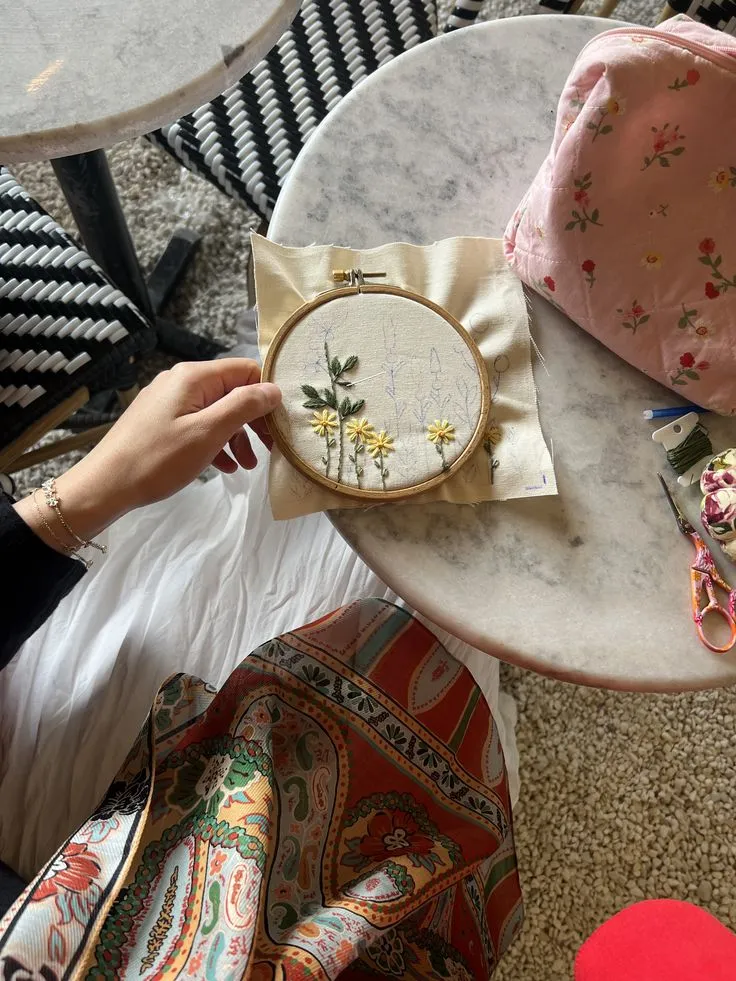
Embroidery is the art of decorating fabric with needle and thread. It’s a lovely creative hobby that allows you to personalize clothing, accessories, and home decorations.
You can start by learning a few basic stitches and creating simple designs like flowers, leaves, stars, or little illustrations.
Once you get comfortable, you can experiment with more detailed patterns and even create your own designs.
What you need: Embroidery hoops, fabric, embroidery floss, needles, scissors, and a pattern.
Why try it: Embroidery is portable, relatively inexpensive, and easy to fit into your free time. You can work on a small project while enjoying a quiet afternoon or listening to your favorite podcast.
Source: https://pin.it/4SnQSJyQa
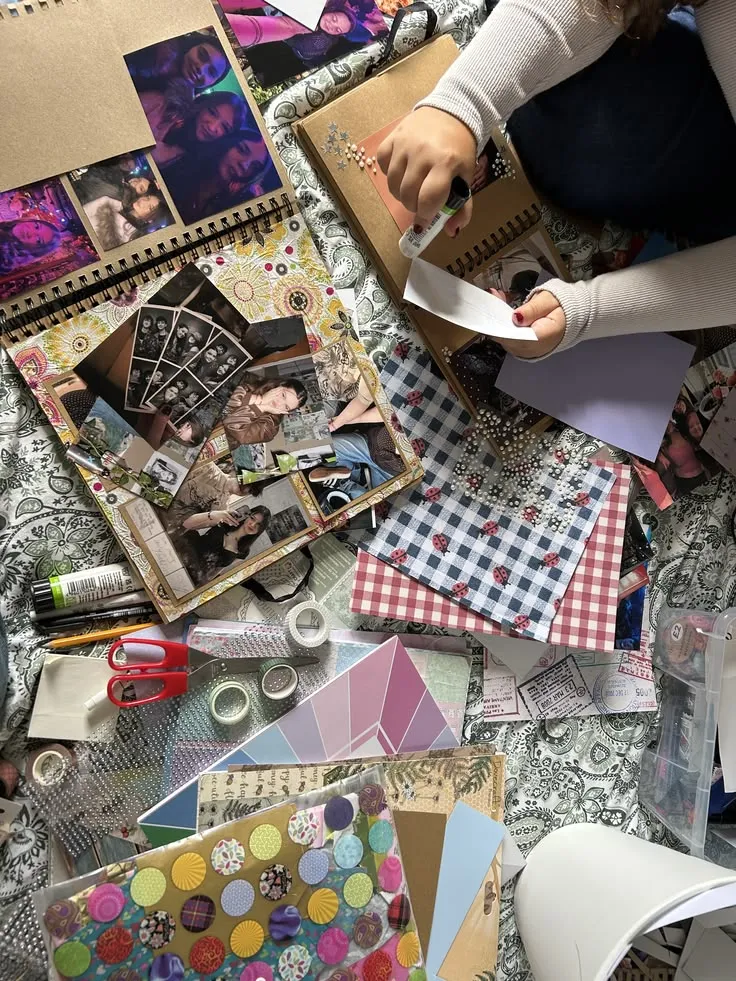
10. Scrapbooking and Collage
Do you enjoy collecting photographs, postcards, magazine cutouts, stickers, or little souvenirs? Scrapbooking and collage might be right up your alley.
Scrapbooking involves arranging photos, notes, and decorative elements into a personal album. Collage is a more experimental art form where you combine different materials, images, and textures to create a new composition.
You can make a memory book, create an inspiration board, or simply experiment with colors and shapes.
What you need: A notebook or paper, scissors, glue, magazines, photographs, stickers, and other decorative materials.
Why try it: It’s a wonderful way to preserve memories, explore your personal aesthetic, and create something completely unique.
Source: https://pin.it/fzJ2hdEYN
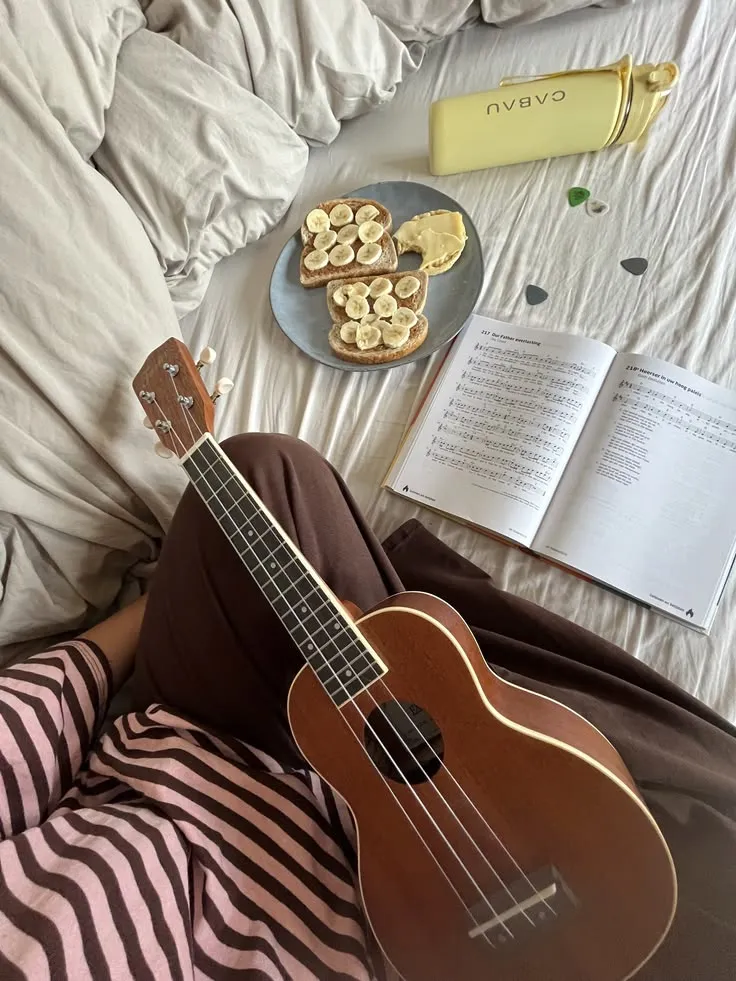
11. Playing a Musical Instrument
Have you always wanted to learn how to play the piano, guitar, or ukulele? Why not make this the year you finally give it a try?
Learning an instrument can feel intimidating at first, but you don’t need to become a professional musician to enjoy it. Start with a few basic chords, simple melodies, or beginner lessons.
The ukulele is a particularly approachable option if you’re looking for an instrument that’s relatively affordable and easy to carry around.
What you need: An instrument of your choice, beginner tutorials, and a little patience.
Why try it: Playing music is a creative way to express yourself, challenge your brain, and enjoy the satisfaction of gradually learning something new.
Source: https://pin.it/1Yp0sq6fV
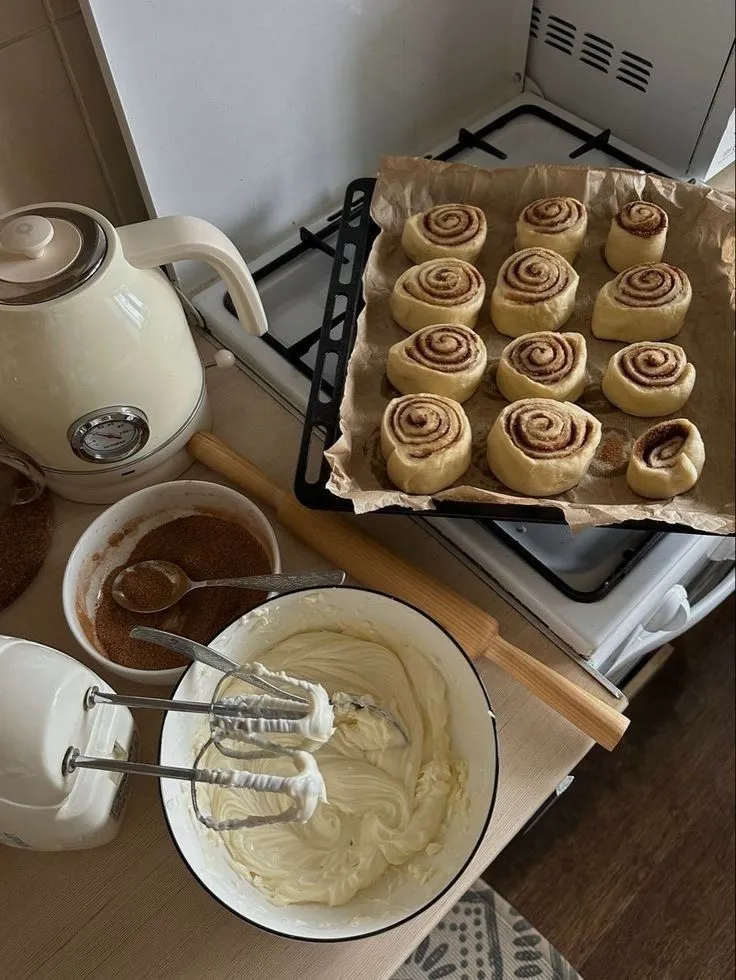
12. Baking and Cake Decorating
Creativity doesn’t have to involve paint, paper, or traditional art supplies. Cooking and baking can be creative hobbies, too!
If you enjoy experimenting with flavors, textures, and presentation, try making your own bread, decorating cakes, creating beautiful cookies, or experimenting with new dessert recipes.
You can begin with simple recipes and gradually explore more advanced techniques, such as piping, fondant decoration, or chocolate work.
What you need: Basic kitchen equipment, ingredients, measuring tools, and optionally cake decorating supplies.
Why try it: Baking combines creativity with a delicious reward. It’s also a great way to share something you’ve made with friends and family.
Source: https://pin.it/1iWGDOXdI
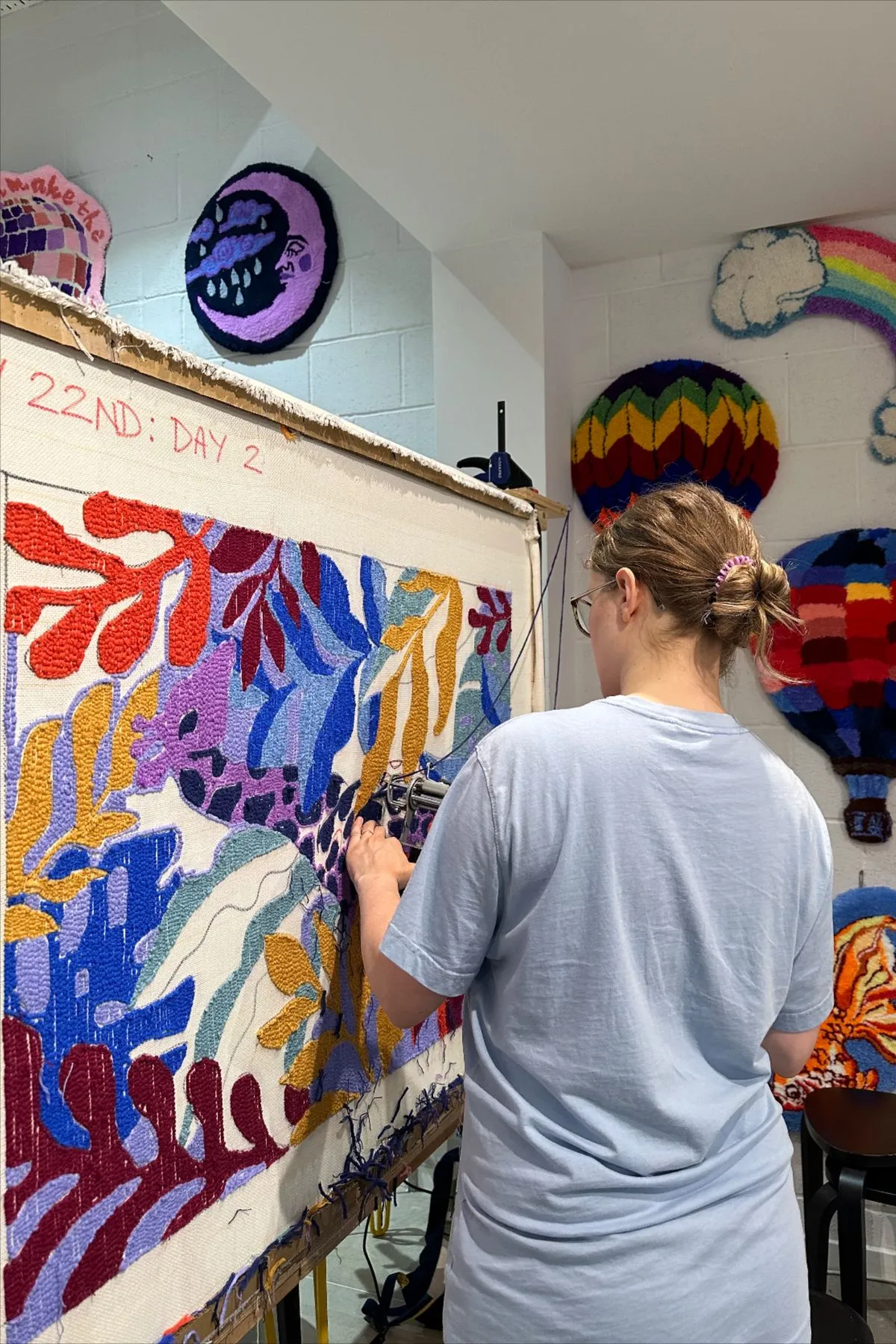
13. Tufting
If you’ve ever seen those colorful, fluffy rugs on Pinterest, you’ve probably come across tufting. It’s a creative technique that involves using a tufting gun to push yarn through a stretched piece of fabric, creating textured designs.
You can make rugs, wall art, pillows, and other decorative pieces. Start with a simple geometric pattern or experiment with creating your own illustrations.
What you need: A tufting gun, yarn, primary fabric, a tufting frame, scissors, and backing material. You can also look for beginner workshops that provide all the equipment.
Why try it: Tufting is a fun way to turn your ideas into colorful, tactile pieces of art. It’s especially satisfying if you enjoy interior design and making things for your home.
Source: https://pin.it/6zL1ki8Qm
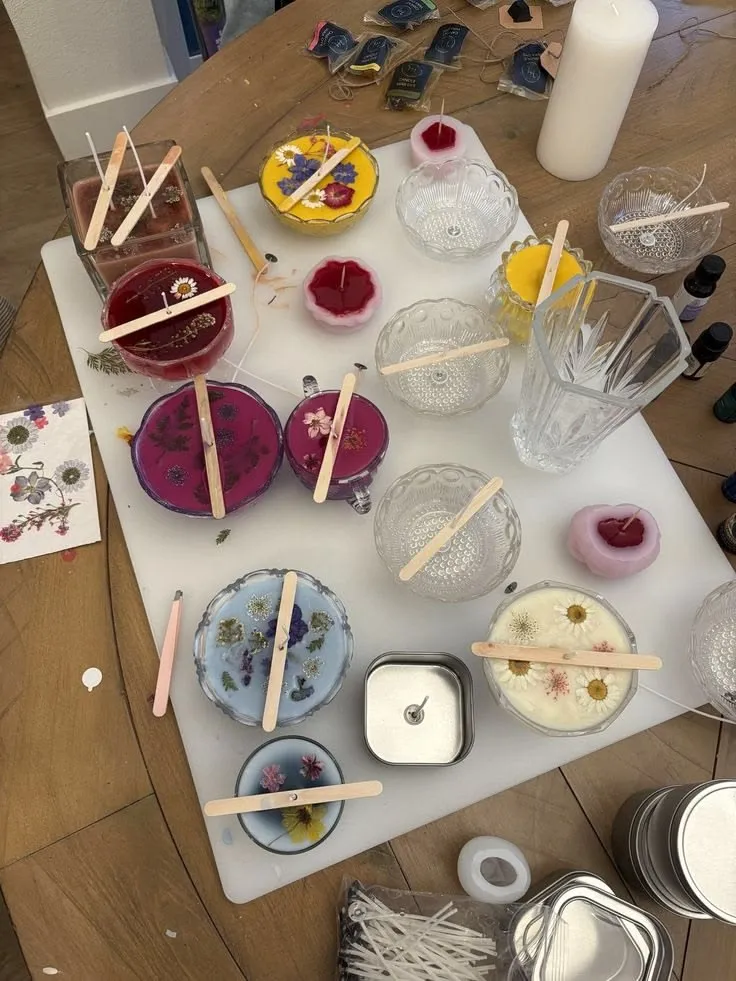
14. Candle Making
Making your own candles is a creative hobby that combines colors, scents, textures, and design. You can experiment with different fragrances, create layered candles, add decorative details, or design beautiful containers.
Start with a simple soy wax candle before trying more elaborate designs, such as sculptural candles or candles with multiple colors.
What you need: Candle wax, wicks, fragrance oils, a melting pot, a thermometer, containers or molds, and optional dyes.
Why try it: It’s a lovely hands-on activity that lets you create something both beautiful and practical. Plus, you get to enjoy your creations long after the crafting session is over.
Source: https://pin.it/a0ERKLGYL
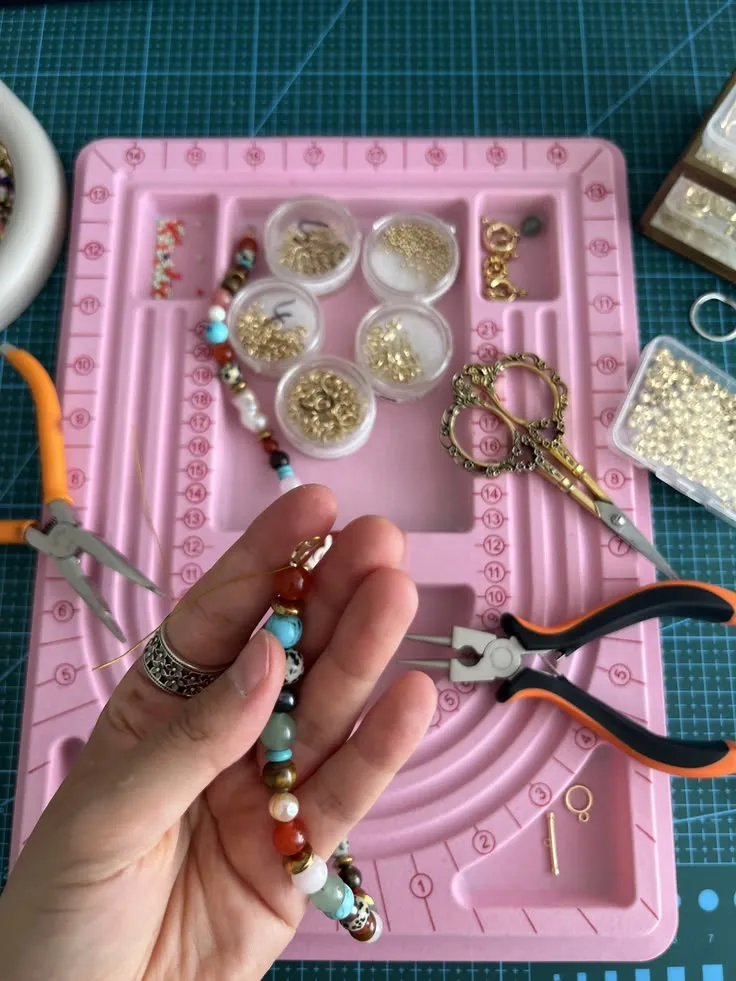
15. Jewelry Making
Why buy another accessory when you can make one yourself? Jewelry making is a creative hobby that allows you to design unique pieces that reflect your personal style.
You can experiment with beaded bracelets, colorful necklaces, polymer clay earrings, wire-wrapped rings, or even simple friendship bracelets.
What you need: Beads, jewelry wire or elastic cord, clasps, pliers, scissors, and optionally polymer clay and sculpting tools.
Why try it: It’s a great way to explore your personal aesthetic, create one-of-a-kind accessories, and make thoughtful handmade gifts for friends.
Source: https://pin.it/2tUad3fan
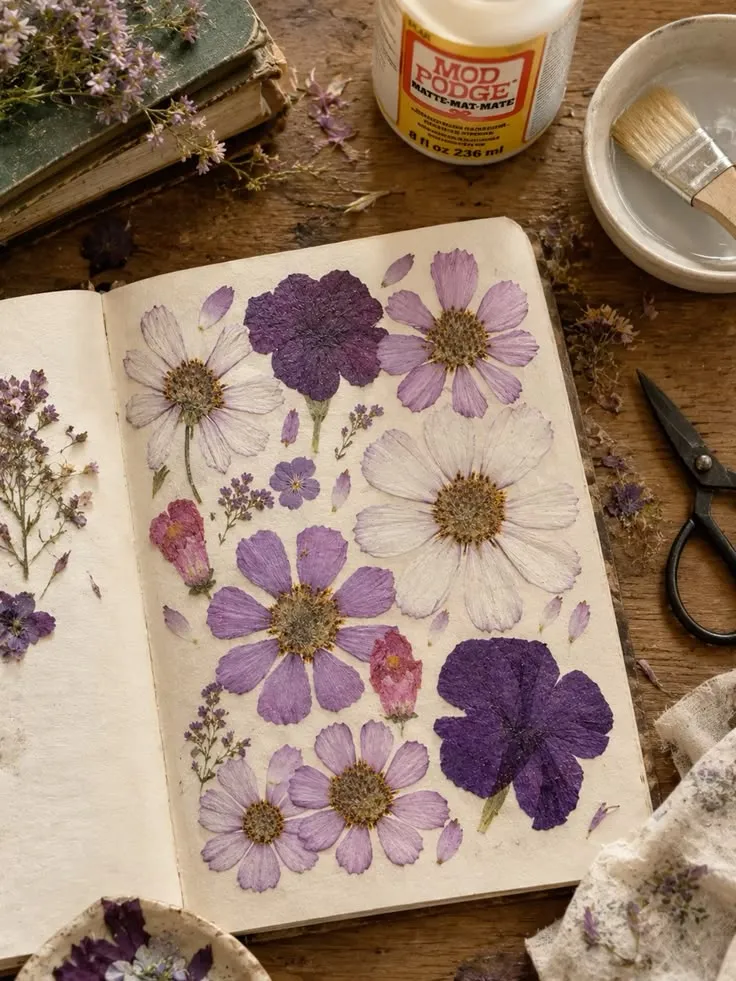
16. Pressed Flower Art
If you love nature, flowers, and beautiful little details, pressed flower art might be your thing.
The process involves pressing flowers and leaves to preserve their shapes and colors, then using them to create artwork. You can frame your compositions, decorate greeting cards, make bookmarks, or even create botanical phone-free keepsakes.
Start by collecting flowers during a walk, pressing them between the pages of a heavy book, and letting them dry completely.
What you need: Fresh flowers and leaves, a flower press or heavy books, absorbent paper, tweezers, glue, and frames or cardstock.
Why try it: It’s a wonderful excuse to spend more time outdoors and turn little pieces of nature into something beautiful. It also encourages you to notice the details you might otherwise walk past.
Source: https://pin.it/Zzi7HifOI
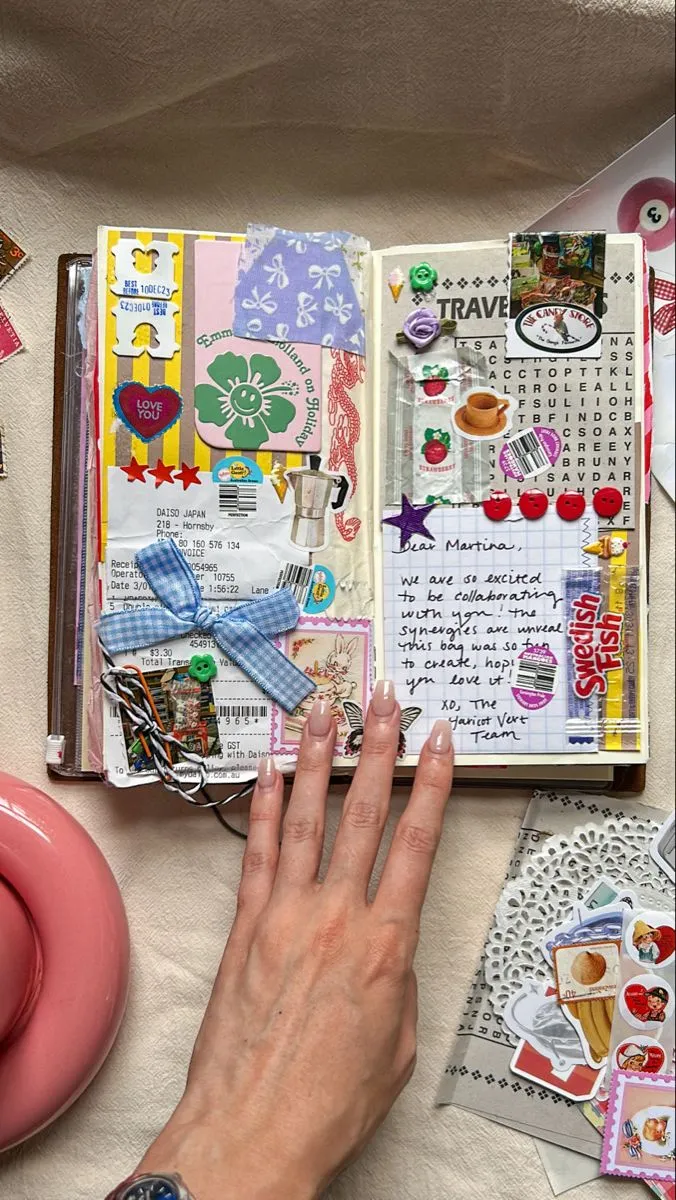
17. Junk Journaling
Junk journaling is a creative way to turn everyday paper scraps and little collected treasures into a personalized journal. Think ticket stubs, receipts, postcards, packaging, magazine cutouts, dried flowers, stickers, and handwritten notes.
Unlike traditional journaling, there are no rules about what you should write or how your pages should look. You can combine writing, drawing, collage, and scrapbooking to create something completely personal.
What you need: An empty notebook, glue, scissors, washi tape, stickers, old magazines, paper scraps, and any little keepsakes you want to include.
Why try it: It’s a wonderfully low-pressure creative outlet that encourages you to reuse everyday materials, preserve memories, and experiment with your own visual style.
Source: https://pin.it/7CWiAfr93
How to Find the Right Creative Hobby for You
With so many interesting activities to choose from, how do you know which one to try first?
My advice is simple: don’t overthink it. You don’t need to find your one perfect hobby right away. The best way to discover what you enjoy is to experiment.
Here are a few things to consider:
- Think about what naturally interests you. Do you enjoy working with your hands, creating beautiful things, telling stories, or learning new skills? Start with activities that match your interests.
- Consider your available time. Some hobbies can be enjoyed in ten-minute sessions, while others require a longer stretch of uninterrupted time. Choose something that fits your current routine.
- Start with a small budget. You don’t need to invest in professional equipment before you know whether you enjoy an activity. Look for beginner kits or use materials you already have at home.
- Don’t worry about being good at it. Remember, this is a hobby, not another performance review. You’re allowed to make mistakes, experiment, and create things that don’t turn out exactly as planned.
- Give it more than one try. Your first attempt might feel awkward. That’s completely normal! Give yourself a little time to get comfortable with the basics before deciding whether an activity is right for you.
Most importantly, choose something that makes you excited to put your phone down and spend time doing something else.
Make More Time for What You Love with Be Analog
Finding a new hobby is one thing. Actually making time for it is another!
If you often find yourself reaching for your phone without thinking, spending more time scrolling than you’d like, or wondering where all your free time went, you’re not alone.
That’s exactly why we created Be Analog.
Be Analog is an app designed to help you build a healthier relationship with your phone and make more room for the things that matter outside the screen. It helps you become more mindful of your phone use, reduce unnecessary screen time, and reconnect with your offline interests.
Because life is too interesting to spend all your free time looking at a screen.
So, pick a hobby, put your phone aside, and give yourself some time to create, explore, and enjoy the little things.
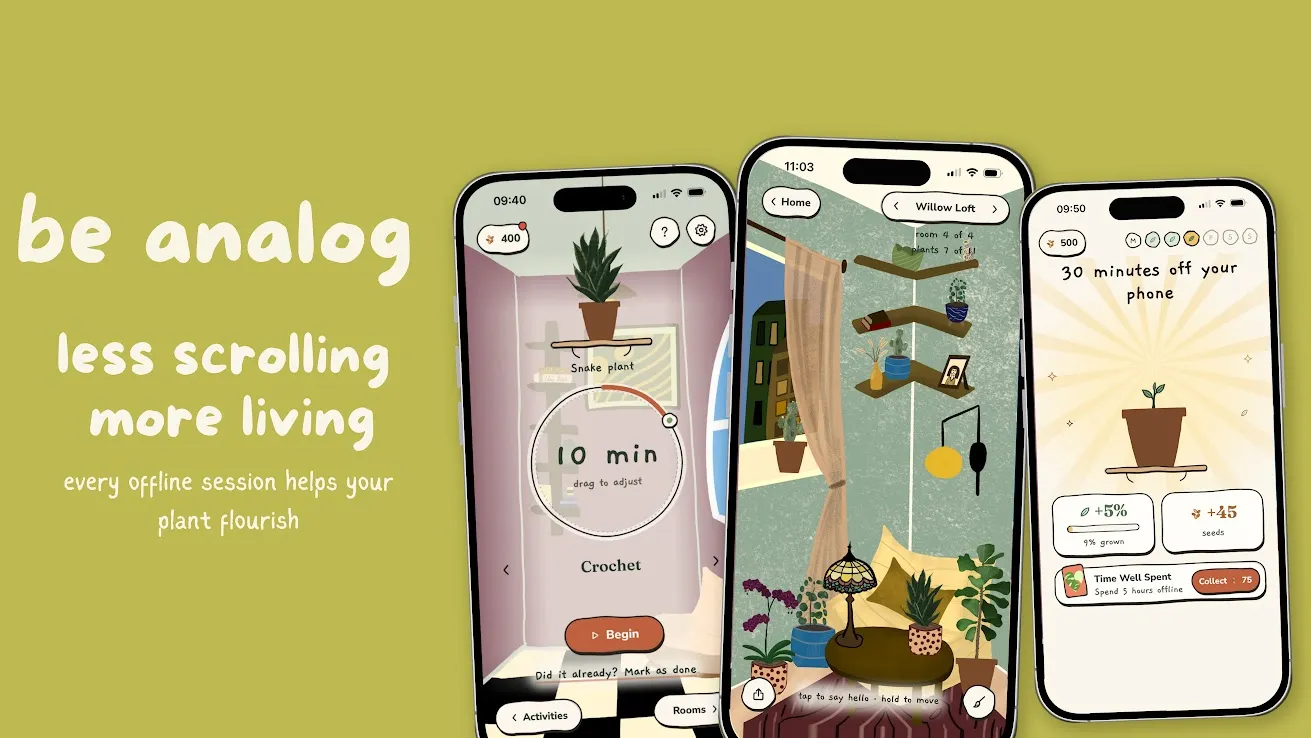
Ready to spend more time living and less time scrolling? Give Be Analog a try!
Google Play Store: https://play.google.com/store/apps/details?id=com.sokkio.beanalog
Final Thoughts: It’s Never Too Late to Get Creative
Creative hobbies are so much more than ways to fill your free time. They give you an opportunity to slow down, express yourself, learn new skills, and enjoy the simple pleasure of making something with your own hands.
And you don’t have to be particularly artistic or talented to enjoy them. You don’t need a perfect setup, expensive supplies, or hours of free time. All you need is a little curiosity and a willingness to try something new.
There are so many creative activities to explore, depending on your interests, resources, and lifestyle. Maybe you’ll discover that you love painting. Maybe knitting will become your favorite way to unwind. Or perhaps you’ll find yourself trying five different hobbies before discovering the one you truly enjoy.
And that’s perfectly fine!
The important thing is to make room for creativity in your life. You don’t have to turn it into a side hustle, monetize your skills, or produce something impressive. You can simply do it because it makes you happy.
So, pick one hobby from this list, gather a few supplies, and give yourself permission to be a beginner again.
Your creative side is still there. It’s just waiting for you to make a little time for it.